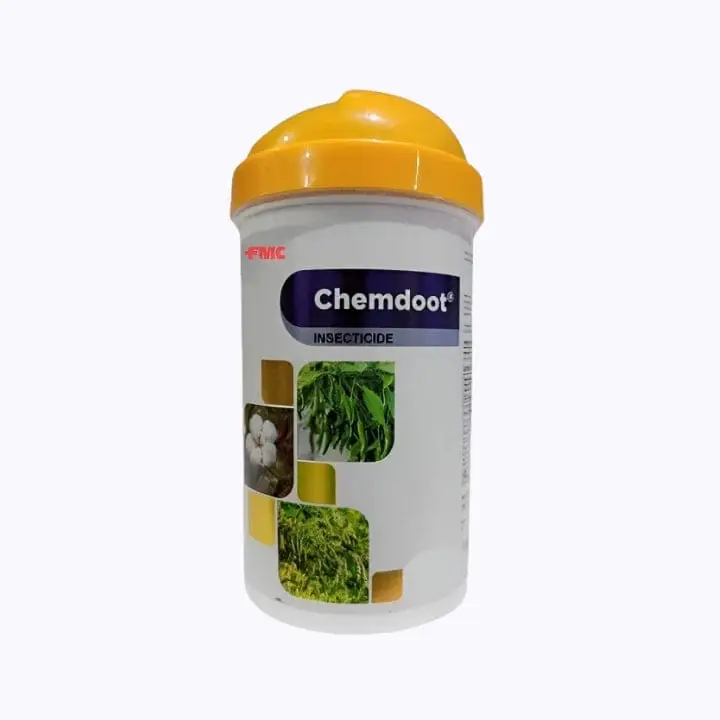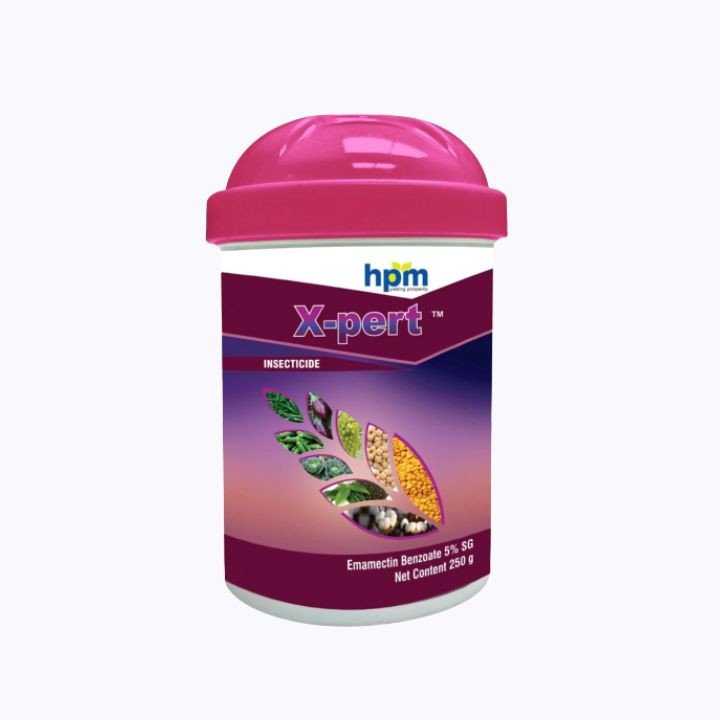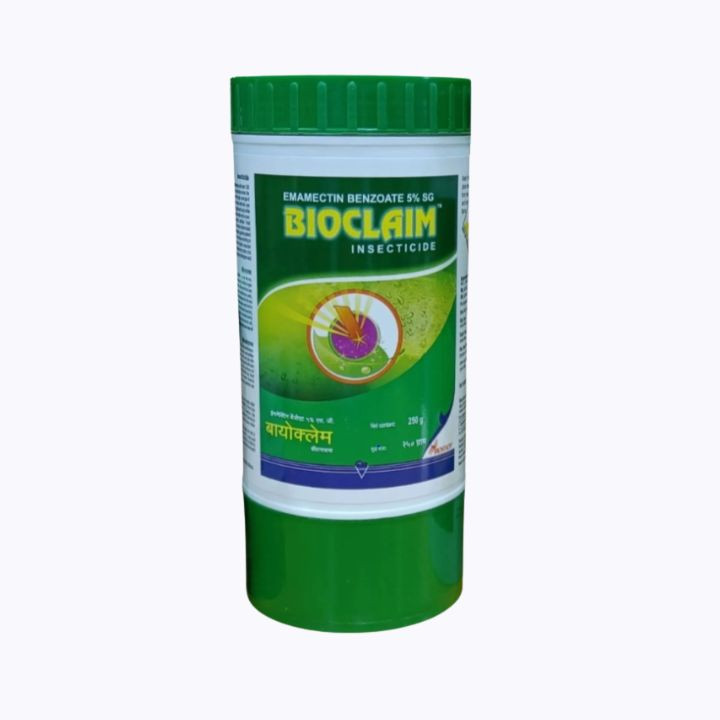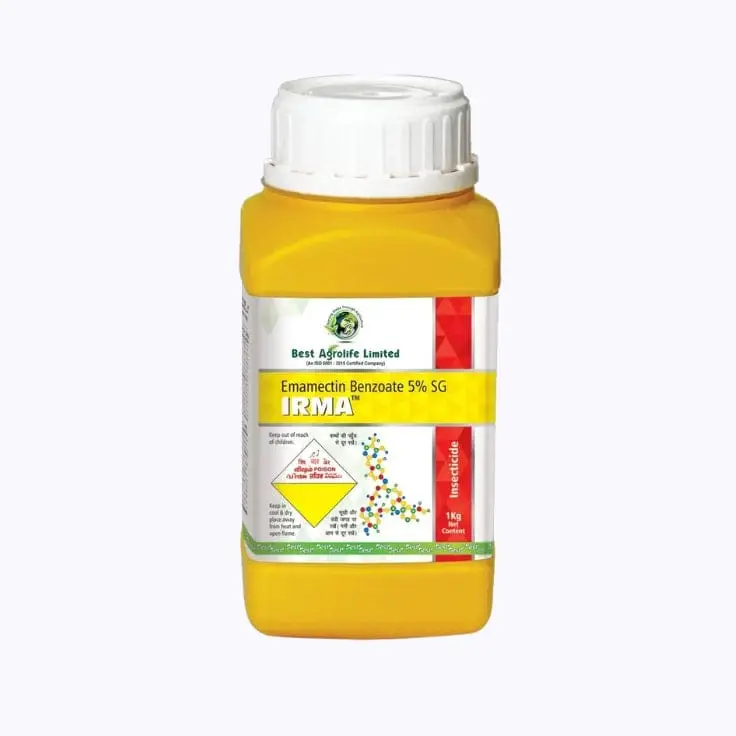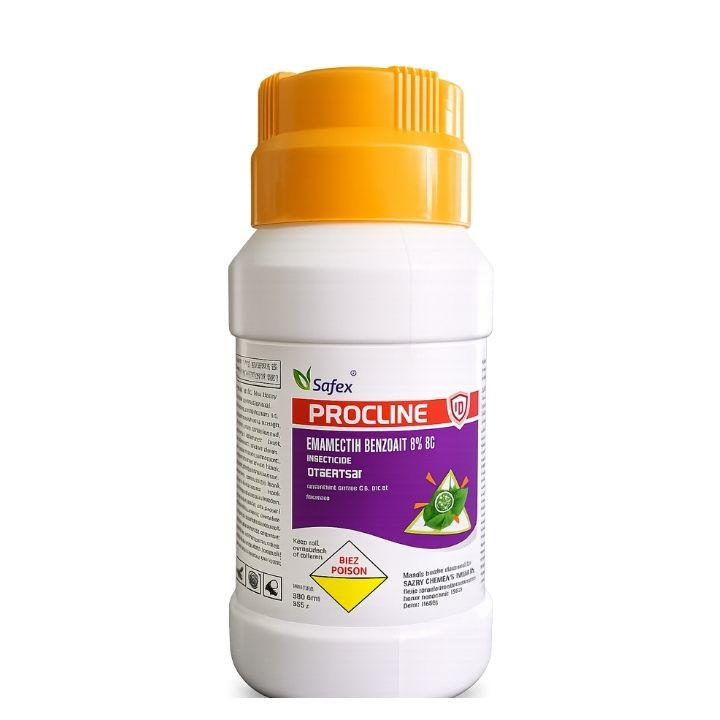
Safex Procline Emamectin Benzoate 8% SG is a modern insecticide formulated to provide effective control against various lepidopteran pests including caterpillars, fruit borers, pod borers and shoot borers. It acts primarily through stomach action and offers rapid feeding cessation after pest exposure.
Procline helps protect crops from severe pest damage by controlling larvae at early stages. It is widely used in cotton, vegetables, pulses and several horticultural crops where caterpillar infestations can significantly reduce yield and crop quality.
| Product Name | Procline |
|---|---|
| Brand | Safex |
| Technical Name | Emamectin Benzoate 8% SG |
| Formulation | SG (Soluble Granule) |
| Category | Insecticide |
| Mode of Action | Stomach Action with Translaminar Activity |
| Chemical Group | Avermectin Group |
| Target Pests | Fruit Borers, Pod Borers, Shoot Borers, Caterpillars and Other Lepidopteran Larvae |
| Suitable Crops | Cotton, Chilli, Okra, Cabbage, Pigeon Pea, Vegetables and Other Crops |
| Application Method | Foliar Spray |
Apply as a foliar spray at the recommended crop-specific dosage. For best results, spray during the early larval stage of pest infestation. Always follow label recommendations and local agricultural guidelines.
Safex Procline Emamectin Benzoate 8% SG provides dependable protection against destructive caterpillar pests. Its strong efficacy, rapid feeding cessation and translaminar activity make it a valuable solution for protecting crop health, quality and productivity.
Q. What is the active ingredient in Procline?
Emamectin Benzoate 8% SG.
Q. Which pests does Procline control?
It controls caterpillars, fruit borers, pod borers, shoot borers and other lepidopteran larvae.
Q. How does Procline work?
It acts primarily through stomach action and stops pest feeding quickly after exposure.
Q. Which crops can Procline be used on?
It is commonly used on cotton, chilli, okra, vegetables, pulses and several horticultural crops.
Q. When should Procline be applied?
For best results, apply during the early stages of larval infestation.
No reviews yet.