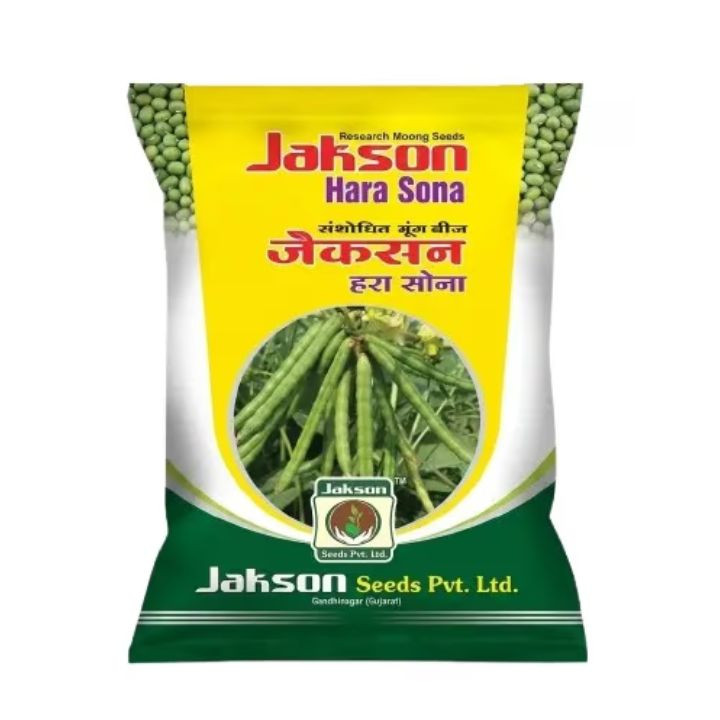
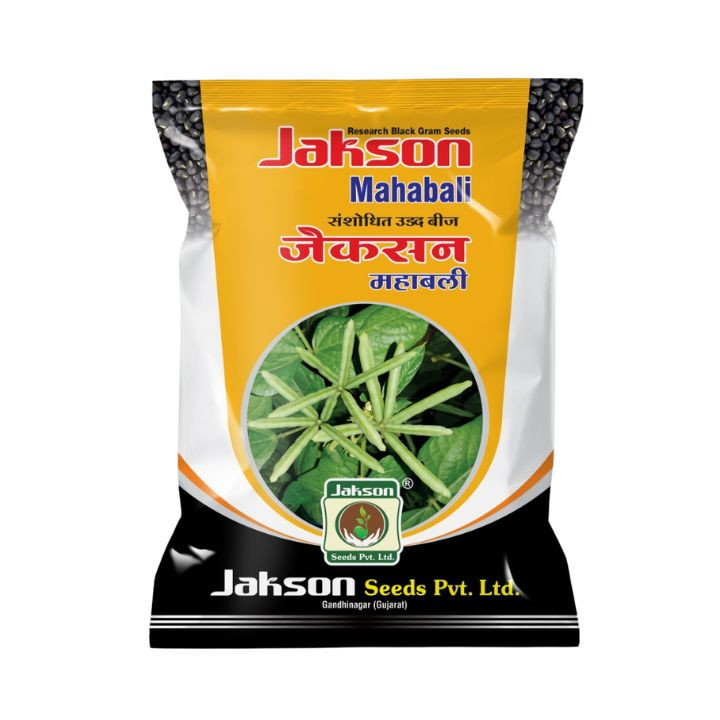
Gram Seeds, also known as chana seeds or Bengal gram seeds, are one of the most important pulse crop seeds used by Indian farmers for Rabi season cultivation. Gram is widely grown because it has good market demand, better storage value, high nutritional importance and suitability for different farming conditions. Farmers prefer gram cultivation because it can perform well in dryland areas when the right seed variety, soil condition and crop management practices are followed.
At KisanShop, farmers can explore quality gram seeds online for chana farming, commercial pulse production and seasonal crop planning. Choosing the right gram seed variety helps farmers achieve better germination, strong plant growth, good flowering, uniform pod formation and quality grain production under suitable field conditions.
Gram is mainly cultivated during the Rabi season and is suitable for farmers who want a valuable pulse crop after Kharif crops such as paddy, maize, soybean, cotton or vegetables. It is also useful in crop rotation because gram belongs to the legume family and supports soil fertility through nitrogen fixation.
Gram farming is a practical choice for farmers who want a crop with good demand and comparatively lower water requirement. The crop performs best in well-drained soil and moderate moisture conditions. Proper seed selection is very important because crop performance depends on variety suitability, sowing time, soil condition, climate and field management.
Farmers can select gram seeds based on crop purpose, grain type, local market demand and regional growing conditions. Desi gram varieties are commonly grown across many Indian states, while kabuli gram varieties are preferred where bold grain size and specific market requirements are important.
| Category | Gram Seeds |
|---|---|
| Common Crop Name | Gram / Chana / Bengal Gram |
| Botanical Name | Cicer arietinum |
| Crop Type | Pulse Crop |
| Suitable Season | Rabi Season |
| Common Sowing Time | October to November, depending on region and weather |
| Suitable Soil | Well-drained loamy to clay loam soil |
| Seed Type | Desi Gram / Kabuli Gram varieties, depending on availability |
| Major Use | Pulse production and commercial chana farming |
| Suitable Regions | Madhya Pradesh, Rajasthan, Maharashtra, Uttar Pradesh, Bihar, Gujarat and other gram-growing regions |
In gram cultivation, seed quality plays an important role in crop establishment. Good quality seeds support uniform germination and healthy plant population in the field. A proper plant stand helps the crop use sunlight, moisture and nutrients more efficiently, which supports better flowering and pod development.
Gram crop performs well in soil with good drainage. Waterlogging should be avoided because excess moisture can affect root growth and crop health. Loamy and clay loam soils are commonly preferred for chana cultivation. Before sowing, the field should be properly prepared so that seeds can germinate evenly and roots can develop well.
Gram is suitable for cool and dry growing conditions during the Rabi season. Farmers should select sowing time according to their local climate and soil moisture condition. Timely sowing helps the crop establish properly and supports better growth during flowering and pod formation stages.
| Best Soil Type | Loamy to clay loam soil with proper drainage |
|---|---|
| Suitable Season | Rabi season |
| Common Sowing Window | October to November |
| Moisture Requirement | Moderate soil moisture |
| Field Condition | Clean, well-prepared and weed-free field |
| Important Note | Avoid waterlogged soil for better root development |
Different types of gram seeds may be available depending on region, season and market requirement. Farmers should choose the seed type after understanding their local demand and field condition. The two common types are desi gram and kabuli gram.
| Desi Gram Seeds | Commonly grown in Indian conditions and suitable for regular chana production. |
|---|---|
| Kabuli Gram Seeds | Known for bold and light-colored grains, preferred for specific market demand. |
| High Yield Gram Seeds | Selected for better productivity under suitable crop management. |
| Regional Gram Varieties | Suitable for specific soil, climate and local cultivation practices. |
Farmers should not select gram seeds only by price. The right seed should match the local soil, weather, irrigation condition and market demand. A suitable variety can help farmers get better crop establishment and more reliable field performance.
Gram is one of the most valuable pulse crops for Indian agriculture. It is used in daily food consumption and has strong demand in local mandis, wholesale markets and food processing channels. Because of its good storage value, farmers can plan sales according to market condition, crop quality and local price movement.
Gram also supports sustainable farming because it is a legume crop. It helps improve soil fertility through nitrogen fixation and fits well in crop rotation systems. Farmers commonly grow gram after Kharif crops to make productive use of land during the winter season.
For better crop performance, farmers should pay attention to each crop stage. Good field preparation and proper sowing help the crop establish well. The flowering and pod formation stages are very important because these stages directly affect final yield and grain quality.
| Field Preparation | Prepare a clean and well-leveled field before sowing. |
|---|---|
| Sowing Stage | Use quality seeds and maintain proper seed depth and spacing. |
| Vegetative Growth | Keep the field weed-free and monitor crop health regularly. |
| Flowering Stage | Ensure suitable moisture and crop care during flowering. |
| Pod Formation | Monitor the crop carefully because this stage affects final production. |
| Harvesting | Harvest at proper maturity to maintain grain quality and reduce field loss. |
Gram is useful in crop rotation because it belongs to the pulse crop group. It can be grown after several Kharif crops and helps farmers manage soil fertility better. When included in a proper rotation system, gram can help improve soil condition and support long-term farm productivity.
Farmers growing cereals, oilseeds or cotton can consider gram as a Rabi pulse crop where soil, moisture and climate conditions are suitable. It is also useful for farmers who want to diversify their cropping pattern and reduce dependency on a single crop.
KisanShop helps farmers access agricultural products online through website, mobile and support channels. Farmers can compare available gram seed options, check product details and place orders conveniently from their location.
Buy gram seeds online for chana farming. Explore quality gram seeds suitable for Rabi season cultivation, strong plant growth, better pod formation and quality grain production under recommended farming practices.
Gram seeds are used for growing chana or Bengal gram, a popular pulse crop cultivated mainly during the Rabi season.
Gram is mainly suitable for the Rabi season. The common sowing period is October to November, depending on local weather and region.
Well-drained loamy to clay loam soil is suitable for gram cultivation. Waterlogging should be avoided for better root growth.
Yes, farmers can buy gram seeds online from KisanShop and choose suitable options based on crop requirement and availability.
Desi gram is commonly grown in Indian conditions and usually has smaller grains. Kabuli gram has bold, light-colored grains and is preferred for specific market demand.
Yes, gram is a legume crop and supports soil fertility through nitrogen fixation, making it useful in crop rotation systems.
Farmers should choose gram seeds based on local climate, soil type, sowing season, variety suitability and market requirement.
Yes, gram has steady demand because it is widely used as a pulse crop for household consumption, food processing and commercial markets.
Gram Seeds are a practical choice for farmers who want to grow a valuable Rabi pulse crop with good market demand. By selecting the right seed variety and following recommended cultivation practices, farmers can improve crop establishment, pod formation and grain quality.
Whether you are planning desi gram or kabuli gram cultivation, choosing quality seeds is the first step toward better chana farming results. Proper sowing time, suitable soil condition, balanced crop care and timely harvesting help farmers get better output from gram cultivation.
Disclaimer: The details provided are for informational guidance only. Always adhere to the recommended application instructions as stated on the product label and in the accompanying leaflet.