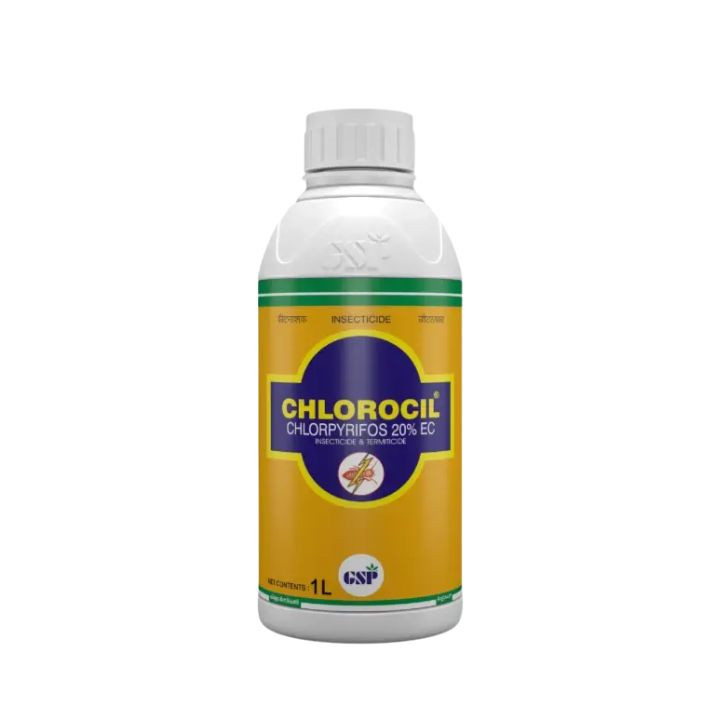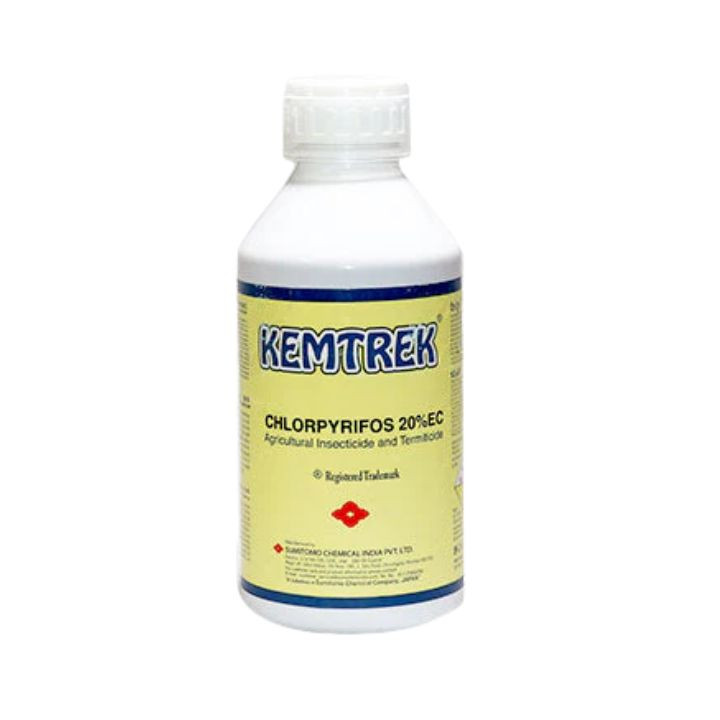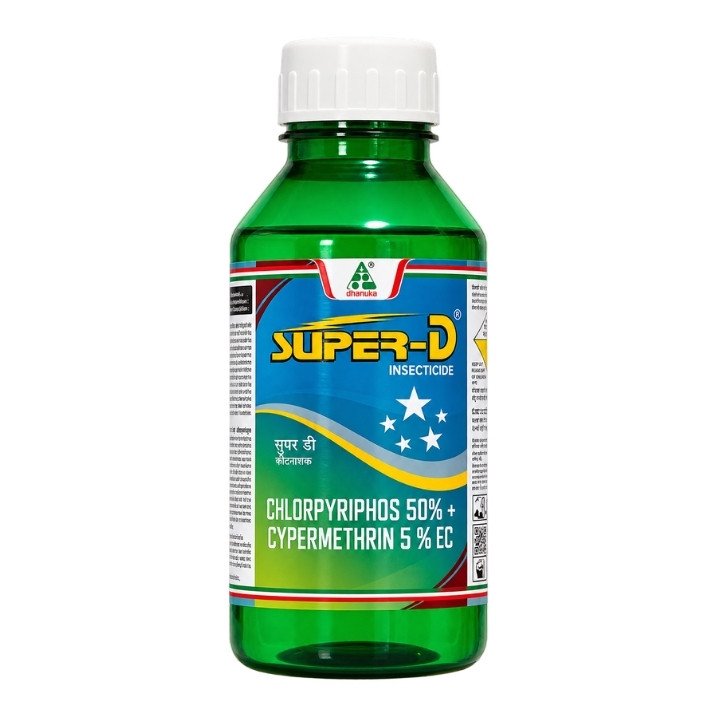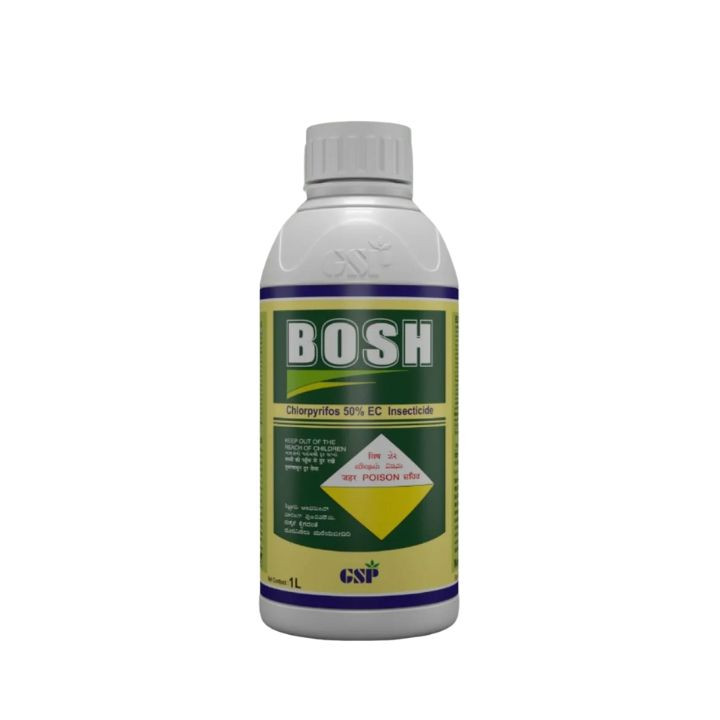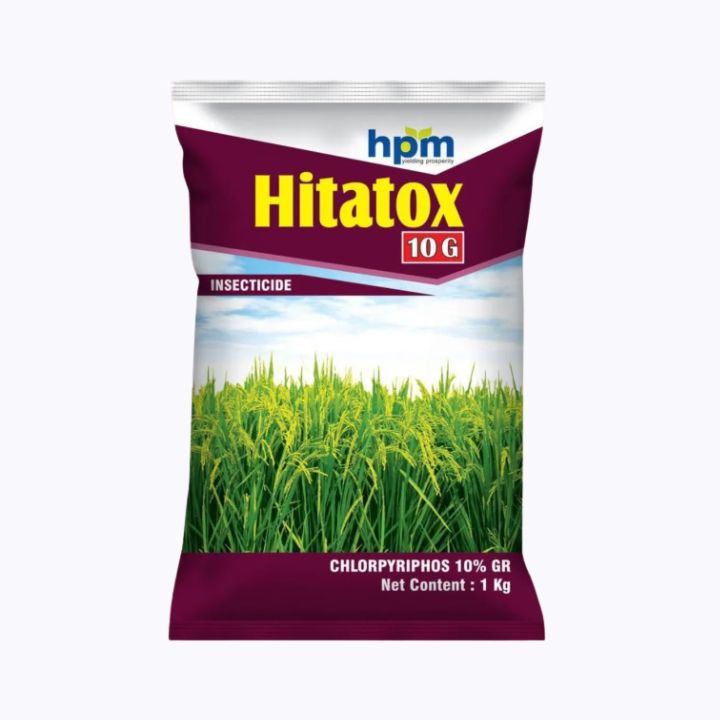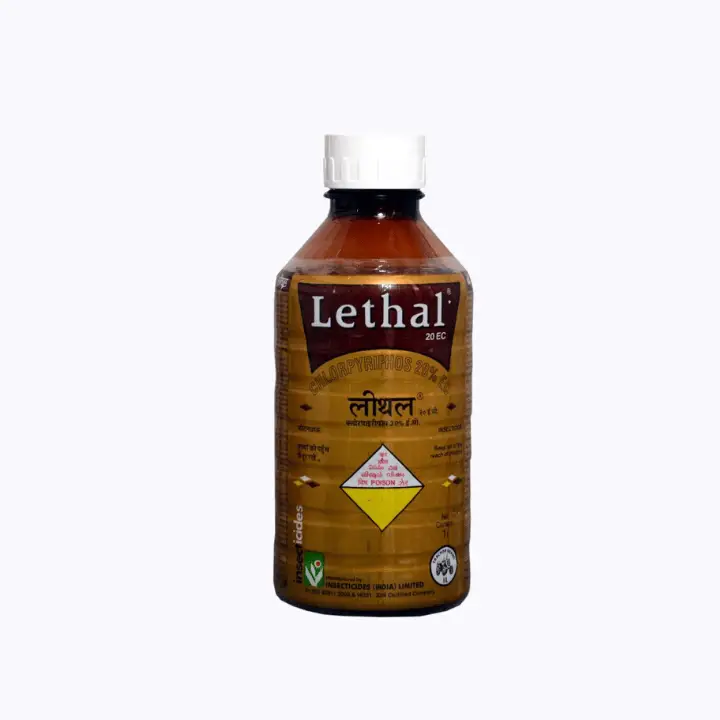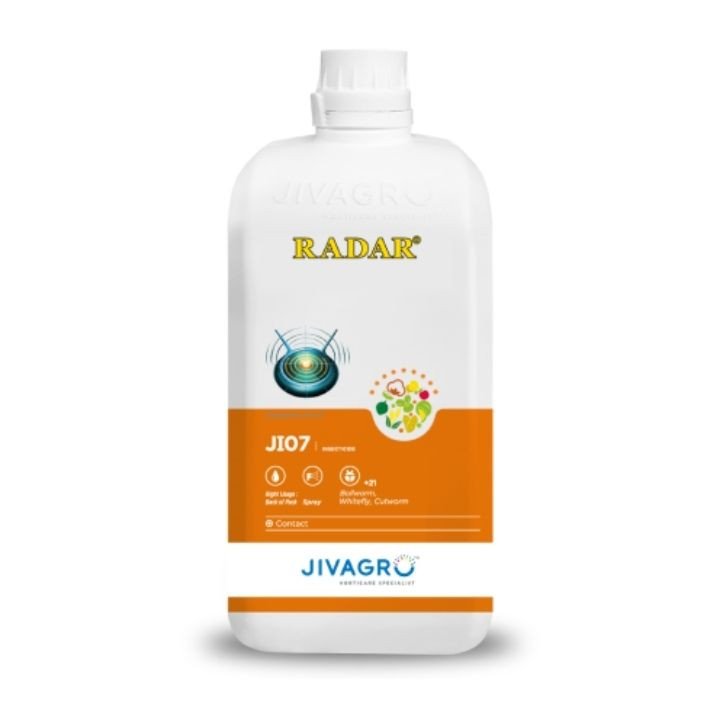

Jivagro Radar Insecticide (Chlorpyrifos 20% EC) is a broad-spectrum agricultural insecticide designed for management of a wide range of chewing and sucking insect pests present on crop foliage as well as certain soil-dwelling pests. It provides contact, stomach and strong fumigant action against susceptible insects.
Radar is based on Chlorpyrifos 20% EC, an organophosphate insecticide used against pests such as bollworms, borers, cutworms, aphids, whiteflies, jassids, plant hoppers, beetles and root grubs in label-recommended crops. Its broad pest spectrum makes it suitable for need-based pest-management programs when used strictly according to the product label.
| Product Name | Radar |
|---|---|
| Brand | Jivagro |
| Company | Jivagro Limited |
| Product Type | Broad-Spectrum Insecticide |
| Technical Name | Chlorpyrifos 20% EC |
| Formulation | Emulsifiable Concentrate (EC) |
| Chemical Group | Organophosphate |
| IRAC Group | Group 1B |
| Mode of Entry | Contact, Stomach and Fumigant Action |
| Application | Foliar and Label-Recommended Soil / Plant Application |
| Active Ingredient | Chlorpyrifos |
|---|---|
| Concentration | 20% |
| Formulation | Emulsifiable Concentrate (EC) |
| Insecticide Group | Organophosphate - IRAC Group 1B |
| Crop | Target Pest | Recommended Dose |
|---|---|---|
| Cotton | Aphids, Bollworm, Whitefly, Grey Weevil & Jassids | 0.5 L/acre |
| Cotton | Pink Bollworm | 0.9 L/acre |
| Cotton | Cutworm | 1.5 L/acre |
| Paddy | Brown Plant Hopper & Green Leaf Hopper | 0.2–0.4 L/acre |
| Paddy | Hispa, Gall Midge, Stem Borer & Whorl Maggot | 0.5 L/acre |
| Paddy | Leaf Roller | 0.75 L/acre |
| Barley | Corn Leaf Aphid | 0.75 L/acre |
| Sugarcane | Black Bug | 0.3 L/acre |
| Sugarcane | Early Shoot Borer, Stalk Borer & Pyrilla | 0.5–0.6 L/acre |
| Brinjal | Fruit & Shoot Borer | 0.4 L/acre |
| Cabbage | Diamond Back Moth | 0.8 L/acre |
| Cauliflower | Diamond Back Moth | 0.8 L/acre |
| Muskmelon | Pumpkin Beetle | 0.2 L/acre |
| Onion / Garlic | Root Grub | 2 L/acre |
| Potato | Beetles | 0.8 L/acre |
| Potato | Defoliating Caterpillar | 0.5 L/acre |
| Beans | Aphid & Pod Borer | 1.2 L/acre |
| Bengal Gram / Chickpea | Cutworm | 1 L/acre |
| Bengal Gram / Chickpea | Pod Borer | 0.8–1.2 L/acre |
| Green Gram | Bihar Hairy Caterpillar | 0.6–1 L/acre |
| Black Gram | Bihar Hairy Caterpillar | 0.6–1 L/acre |
| Groundnut | Aphid | 0.4 L/acre |
| Groundnut | Root Grub | 0.45 L/acre |
| Mustard | Aphid | 0.2 L/acre |
| Apple | Aphid | 1.5–2 L/acre |
| Ber / Jujube | Leaf Hopper | 1.5–2 L/acre |
| Orange / Citrus | Black Citrus Aphid | 0.6–0.8 L/acre |
| Grapes | Root Grub | 10 ml/plant |
| Tea | Semilooper, Scale Insect & Red Slug Caterpillar | 0.3 L/acre |
| Tobacco | Ground Beetle | 0.7 L/acre |
| Tobacco | Leaf-Eating Caterpillar | 0.6 L/acre |
| Arecanut / Coconut | White Grub | 5 ml/plant |
The above recommendations are based on Jivagro's Radar product information. Always follow the current physical product label for the final crop, pest, dosage, dilution, application method, waiting period and safety instructions.
Chlorpyrifos is an organophosphate insecticide classified in IRAC Group 1B. It acts by inhibiting the enzyme acetylcholinesterase in susceptible insects.
Inhibition of this enzyme causes excessive accumulation of acetylcholine at nerve junctions, disrupting normal nerve transmission. Susceptible insects eventually lose normal coordination and feeding ability.
Radar is non-systemic and provides activity mainly through contact, ingestion and vapour action.
When susceptible pests come into contact with treated plant surfaces, the Chlorpyrifos component can enter through the insect body. Stomach action occurs when insects consume treated plant material.
Uniform spray coverage is therefore important for foliage-feeding pests such as bollworms, borers, caterpillars, beetles and sucking insects.
Jivagro describes Radar as having strong fumigant or vapour action. This characteristic can contribute additional activity around treated crop and soil surfaces, depending on application conditions.
Because vapour exposure also creates handling risks, users should avoid inhaling spray mist or vapours and follow all personal-protection directions printed on the label.
Jivagro recommends Radar in cotton against several important pests including aphids, bollworms, whitefly, grey weevil, jassids, pink bollworm and cutworm.
The recommended dose differs significantly according to the target pest, so the pest should be correctly identified before selecting the application rate.
In paddy, Radar is recommended against brown plant hopper, green leaf hopper, hispa, gall midge, stem borer, whorl maggot and leaf roller.
Field scouting should be used to identify the dominant pest and determine whether treatment is justified before application.
Jivagro lists Radar for black bug, early shoot borer, stalk borer and pyrilla in sugarcane. Correct spray placement and crop-stage timing are important when managing borer infestations.
Radar has label recommendations across several vegetable crops, including brinjal for fruit and shoot borer, cabbage and cauliflower for diamond back moth, onion and garlic for root grub, potato for beetles and defoliating caterpillars, and beans for aphids and pod borer.
Radar is also recommended for certain soil-associated pests such as cutworms, root grubs and white grubs. Soil or plant-directed applications may differ from conventional foliar spraying, so the exact label method should be followed for each target.
Apply Radar when the target pest is first observed or when field monitoring indicates that pest populations have reached the recommended treatment threshold.
For caterpillars and borers, timely treatment during susceptible pest stages is important because older larvae may enter protected plant parts where spray exposure becomes more difficult.
Radar should be used as part of an integrated pest-management program that includes regular field scouting, cultural control practices, conservation of beneficial organisms and need-based pesticide applications.
Chlorpyrifos belongs to IRAC Group 1B. Avoid repeated consecutive applications of insecticides from the same mode-of-action group where suitable alternatives are available.
Jivagro Radar is a broad-spectrum agricultural insecticide containing Chlorpyrifos 20% EC.
Radar contains Chlorpyrifos 20% EC.
No. Chlorpyrifos is primarily a non-systemic insecticide providing contact, stomach and fumigant activity.
Chlorpyrifos belongs to the organophosphate insecticide group and is classified under IRAC Group 1B.
Jivagro lists pests including bollworms, pink bollworm, borers, cutworm, brown plant hopper, green leaf hopper, aphids, jassids, whitefly, beetles, root grubs and other crop-specific pests.
Yes. Jivagro recommends Radar in cotton against aphids, bollworms, whitefly, grey weevil, jassids, pink bollworm and cutworm at pest-specific doses.
Yes. Jivagro recommends Radar in paddy against brown plant hopper, green leaf hopper, hispa, gall midge, stem borer, whorl maggot and leaf roller.
The dose varies considerably according to crop and target pest. Jivagro lists rates ranging from approximately 0.2 to 2 litres per acre for different foliar and field uses, with separate per-plant recommendations for certain crops.
Yes. Jivagro lists root grub among its targets in crops such as onion, garlic, groundnut and grapes, with crop-specific application rates.
Yes. Jivagro recommends Radar against Diamond Back Moth in cabbage and cauliflower.
Yes. Jivagro recommends Radar against early shoot borer and stalk borer in sugarcane.
Chlorpyrifos inhibits acetylcholinesterase in susceptible insects, disrupting normal nervous-system function.
Yes. Jivagro specifically describes Radar as having strong fumigant action in addition to contact and ingestion activity.
No. Use Radar only on crops and against pests specifically recommended on the current registered product label.
Jivagro Radar Insecticide (Chlorpyrifos 20% EC) provides contact, stomach and fumigant action against a wide range of important agricultural pests including bollworms, borers, hoppers, aphids, jassids, beetles, cutworms and grubs. Correct pest identification, crop-specific dosage and label-compliant application are essential for effective and responsible use.
Disclaimer: The details provided are for informational guidance only. Always adhere to the recommended application instructions as stated on the product label and in the accompanying leaflet.
No reviews yet.