Sungro No.183 F1 Hybrid Brinjal Seeds – Long Green Baingan
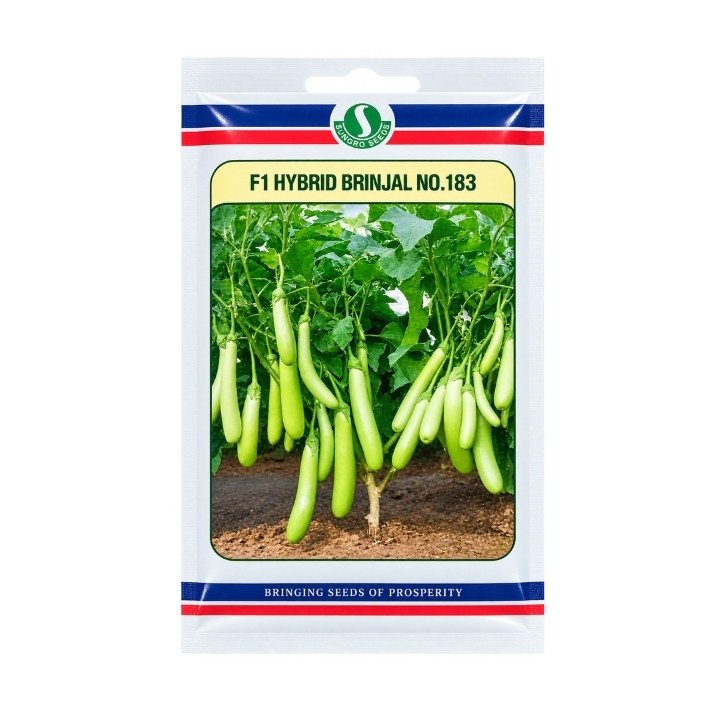
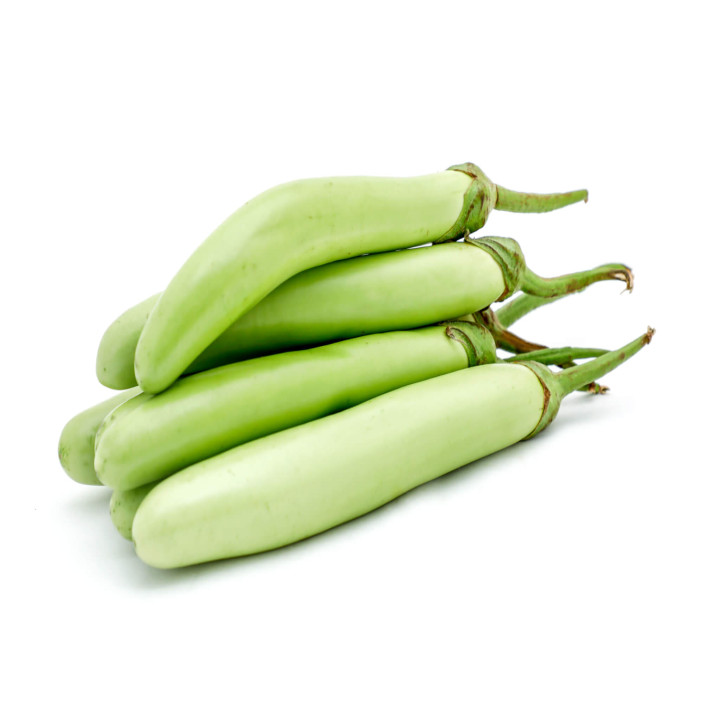
Sungro Brinjal No.183 is a quality F1 Hybrid Brinjal (Baingan / Eggplant) variety suitable for commercial vegetable cultivation. It develops a semi-erect and very strong plant and produces attractive long, cylindrical green fruits.
The fruits generally weigh approximately 75–80 grams and have a green, non-spiny calyx. Under suitable growing conditions, fruits reach marketable maturity approximately 55–60 days after transplanting.
Sungro No.183 has a mixed fruit-bearing habit and is suitable for farmers looking for attractive, uniform green brinjal fruits for local mandi, wholesale and retail vegetable markets.
Product Specifications
| Brand |
Sungro Seeds |
| Variety |
No.183 |
| Crop |
Brinjal / Eggplant / Baingan |
| Seed Type |
F1 Hybrid |
| Plant Habit |
Semi-Erect |
| Plant Vigour |
Very Strong |
| Fruit Colour |
Green |
| Fruit Shape |
Long Cylindrical |
| Fruit Weight |
Approximately 75–80 grams |
| Calyx |
Green and Non-Spiny |
| Bearing Habit |
Mixed Fruit-Bearing Habit |
| First Marketable Maturity |
Approximately 55–60 Days After Transplanting |
| Disease Characteristic |
High Tolerance to Bacterial Wilt – As Reported by MahycoGrow |
| Product Category |
Vegetable Seeds – Brinjal Seeds |
Key Features
- F1 Hybrid Variety: Suitable for commercial green brinjal cultivation.
- Strong Plant Growth: Develops semi-erect and very strong plants.
- Long Green Fruits: Produces attractive cylindrical long green brinjal fruits.
- Marketable Fruit Weight: Fruits weigh approximately 75–80 grams under suitable conditions.
- Early Harvest: Fruits reach maturity approximately 55–60 days after transplanting.
- Non-Spiny Calyx: Fruits have an attractive green, non-spiny calyx.
- Mixed Bearing Habit: Produces fruits with a mixed bearing pattern on the plant.
- Bacterial Wilt Tolerance: The variety has been described as having high tolerance to bacterial wilt.
- Fresh-Market Suitable: Suitable for mandi, wholesale and retail vegetable markets.
Fruit Characteristics
| Characteristic |
Details |
| Fruit Colour |
Green |
| Fruit Shape |
Long Cylindrical |
| Fruit Weight |
75–80 grams |
| Calyx Colour |
Green |
| Calyx Type |
Non-Spiny |
| Bearing Habit |
Mixed |
| Maturity |
55–60 Days After Transplanting |
Benefits of Sungro Brinjal No.183
- Strong and semi-erect plant growth.
- Attractive long green fruits.
- Uniform cylindrical fruit appearance.
- Marketable fruit weight of approximately 75–80 grams.
- Green and non-spiny calyx.
- Early marketability in approximately 55–60 days after transplanting.
- Mixed fruit-bearing habit.
- Useful bacterial wilt tolerance characteristic.
- Suitable for commercial fresh vegetable cultivation.
Recommended Uses
- Commercial brinjal cultivation
- Fresh vegetable production
- Local mandi supply
- Wholesale vegetable markets
- Retail vegetable shops
- Fresh household consumption
- Cooking and vegetable preparations
Nursery Preparation
Brinjal is generally grown by first raising healthy seedlings in a nursery and then transplanting them into the main field.
- Use healthy seeds from the original Sungro No.183 packet.
- Prepare raised nursery beds or suitable seedling trays.
- Use fertile and well-drained nursery media.
- Sow seeds at a shallow and uniform depth.
- Cover lightly with fine soil or nursery medium.
- Maintain sufficient moisture during germination.
- Avoid excessive irrigation and waterlogging.
- Monitor seedlings regularly for pests and diseases.
- Select healthy and vigorous seedlings for transplanting.
Field Preparation
- Select fertile and well-drained agricultural land.
- Plough the field thoroughly and prepare a suitable fine tilth.
- Remove weeds and previous crop residues.
- Apply well-decomposed farmyard manure or compost according to local recommendations.
- Prepare suitable ridges, furrows or raised beds.
- Ensure proper field drainage before transplanting.
Soil Requirements
Sungro No.183 brinjal performs well in fertile, well-drained soil containing adequate organic matter. Good drainage is particularly important for maintaining healthy roots and reducing favourable conditions for soil-borne diseases.
- Prefer fertile and well-drained soil.
- Avoid prolonged waterlogging.
- Add well-decomposed organic manure.
- Use soil-test recommendations for fertilizer planning.
- Maintain good soil structure for healthy root development.
Transplanting
Transplant healthy and well-developed seedlings into the prepared main field. Avoid transplanting weak, damaged or diseased seedlings.
Provide irrigation immediately after transplanting where necessary to support quick plant establishment.
Plant Spacing
Maintain sufficient plant-to-plant and row-to-row spacing to provide good sunlight, ventilation and growing space for the semi-erect plants.
The exact spacing should be followed according to the latest Sungro No.183 seed packet or local horticultural recommendations.
Irrigation Management
- Provide irrigation after transplanting where necessary.
- Maintain adequate soil moisture during plant establishment.
- Ensure sufficient moisture during flowering and fruit development.
- Avoid severe moisture stress.
- Avoid excessive irrigation and prolonged waterlogging.
- Adjust irrigation frequency according to soil type, temperature and rainfall.
Nutrient Management
Balanced nutrition is important for healthy plant development, flowering, fruit setting and continuous fruit production.
- Apply well-decomposed organic manure during field preparation.
- Follow soil-test-based fertilizer recommendations.
- Apply nitrogen, phosphorus and potassium according to crop requirements.
- Use split fertilizer applications where recommended.
- Avoid excessive nitrogen application.
- Correct micronutrient deficiencies where identified.
Bacterial Wilt Tolerance
Sungro/Mahyco product communication has described Brinjal No.183 as having high tolerance to bacterial wilt. This can be a useful characteristic in areas where bacterial wilt pressure occurs.
Disease tolerance does not mean complete immunity. Proper crop rotation, good drainage, healthy seedlings and field sanitation should still be followed.
Crop Protection
Regularly inspect brinjal plants for insect pests and diseases throughout the crop period.
- Monitor shoot and fruit borer.
- Monitor jassids, aphids, thrips and whiteflies.
- Maintain good field sanitation.
- Remove severely damaged shoots and fruits where appropriate.
- Use pheromone traps where recommended.
- Use only crop-protection products registered for brinjal.
- Follow pesticide-label dosage and waiting-period instructions.
Weed Management
- Keep the field relatively weed-free during early crop growth.
- Remove weeds before they strongly compete with brinjal plants.
- Carry out intercultural operations carefully to avoid root damage.
- Use suitable mulching practices where recommended.
Maturity & Harvesting
Sungro No.183 fruits generally reach marketable maturity approximately 55–60 days after transplanting under suitable growing conditions.
Harvest fruits while they are tender, attractive and at the preferred marketable size. Regular harvesting supports continued flowering and fruit production.
Harvesting Tips
- Harvest tender green fruits regularly.
- Select fruits with good colour and cylindrical shape.
- Avoid allowing fresh-market fruits to become over-mature.
- Use a clean knife or suitable harvesting tool.
- Avoid damaging plants and branches during picking.
- Separate damaged or diseased fruits.
Post-Harvest Handling
- Keep harvested fruits under shade.
- Avoid prolonged exposure to direct sunlight.
- Handle fruits carefully to prevent bruising.
- Grade fruits according to size and quality.
- Remove damaged or diseased produce before packing.
- Use suitable ventilated crates for transportation.
Why Choose Sungro No.183 F1 Hybrid Brinjal?
- Strong Plant: Semi-erect and very vigorous plant structure.
- Long Green Fruits: Attractive cylindrical fresh-market type.
- Marketable Weight: Approximately 75–80 grams per fruit.
- Early Harvest: Approximately 55–60 days after transplanting.
- Non-Spiny Calyx: Green and non-spiny fruit calyx.
- Mixed Bearing: Useful fruit-bearing habit.
- Bacterial Wilt Tolerance: Useful characteristic for disease-prone areas.
- Commercial Use: Suitable for regular fresh-market production.
Storage Instructions for Seeds
- Keep seeds in the original sealed Sungro packet.
- Store in a cool and dry location.
- Protect from direct sunlight, excessive heat and moisture.
- Keep seeds separately from pesticides and fertilizers.
- Keep out of reach of children and animals.
- Use seeds within the validity period printed on the original packet.
Frequently Asked Questions
What is Sungro Brinjal No.183?
Sungro No.183 is an F1 Hybrid Brinjal variety producing attractive long green fruits for commercial vegetable cultivation.
What is the plant habit?
The variety develops a semi-erect and very strong plant.
What is the fruit colour?
Sungro No.183 produces attractive green fruits.
What is the fruit shape?
The fruits are long and cylindrical.
What is the average fruit weight?
The fruits generally weigh approximately 75–80 grams.
What is the maturity period?
Fruits generally reach marketable maturity approximately 55–60 days after transplanting.
Is the calyx spiny?
No. The variety is described as having a green, non-spiny calyx.
What is the fruit-bearing habit?
Sungro No.183 is described as having a mixed fruit-bearing habit.
Is Sungro No.183 tolerant to bacterial wilt?
MahycoGrow has described Brinjal No.183 as having high tolerance to bacterial wilt. Normal bacterial-wilt management practices should still be followed.
Is Sungro No.183 suitable for commercial cultivation?
Yes. Its strong plants, attractive long green fruits, marketable fruit size and early maturity make it suitable for commercial fresh-market brinjal cultivation.
What is the pack size?
A 10 gram pack is currently commonly marketed for Sungro Brinjal No.183. Always verify the net weight printed on the specific packet being purchased.
Disclaimer
Seed germination, crop maturity, fruit weight, fruit size, disease response and yield may vary according to climate, soil type, sowing period, irrigation, plant population, nutrition, pest and disease pressure and overall crop-management practices. Always follow the latest specifications and cultivation instructions printed on the original Sungro No.183 seed packet.