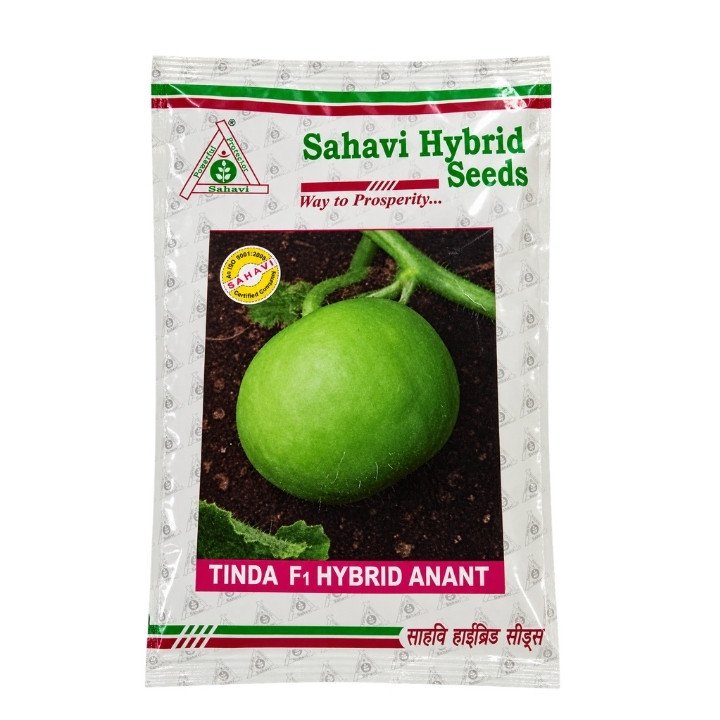
Sahavi Anant F1 Hybrid Tinda Seeds
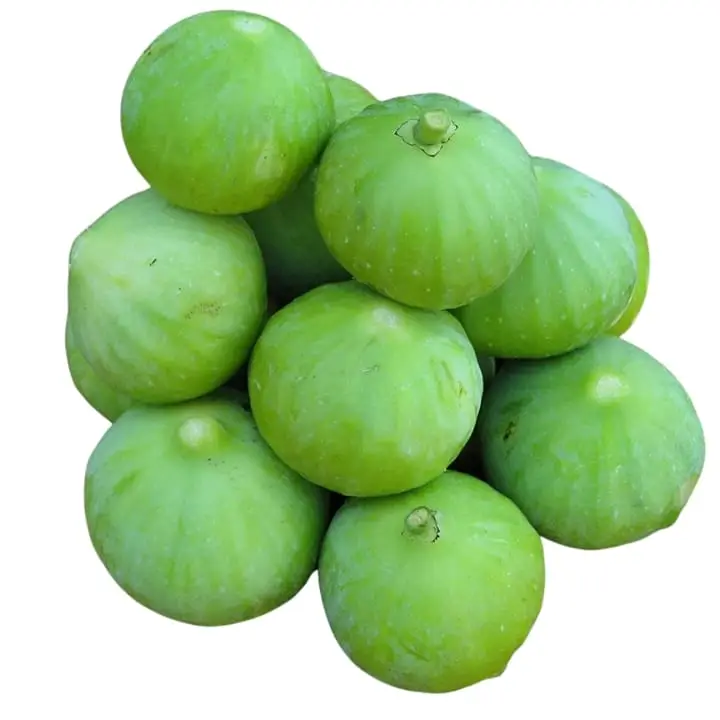
Sahavi Anant is a quality F1 Hybrid Tinda / Round Melon variety suitable for commercial vegetable cultivation. It produces attractive green, round-shaped fruits with an average fruit weight of approximately 80–85 grams.
The hybrid develops vigorous vines with excellent fruit-setting ability and reaches maturity in approximately 45–50 days under suitable growing conditions. Its early maturity, uniform fruit shape and desirable green colour make it suitable for fresh vegetable markets.
Product Specifications
| Brand |
Sahavi Hybrid Seeds |
| Variety Name |
Anant |
| Crop |
Tinda / Round Melon |
| Seed Type |
F1 Hybrid |
| Plant Habit |
Vigorous Vines |
| Maturity |
Approximately 45–50 Days |
| Fruit Weight |
80–85 grams |
| Fruit Shape |
Round |
| Fruit Colour |
Green |
| Fruit Setting |
Excellent |
| Product Category |
Vegetable Seeds – Tinda Seeds |
| Net Weight |
50 Grams |
Key Features
- F1 Hybrid Tinda: A hybrid round melon variety developed for commercial vegetable production.
- Early Maturity: Reaches maturity in approximately 45–50 days under suitable cultivation conditions.
- Vigorous Vine Growth: Produces strong and vigorous vines that support healthy crop development.
- Excellent Fruit Setting: The hybrid is characterized by excellent fruit-setting ability when properly managed.
- Attractive Green Fruits: Produces fresh-looking green fruits suitable for vegetable markets.
- Uniform Round Shape: Fruits develop a desirable round shape with good market appearance.
- Marketable Fruit Size: Average fruit weight is approximately 80–85 grams.
- Commercial Cultivation: Suitable for growers looking for an early-maturing hybrid tinda variety.
Fruit Characteristics
| Characteristic |
Details |
| Fruit Shape |
Round |
| Fruit Colour |
Green |
| Average Fruit Weight |
80–85 grams |
| Maturity |
45–50 Days |
| Fruit Setting |
Excellent |
Plant Characteristics
Sahavi Anant develops vigorous vines capable of supporting continuous plant growth and fruit development. Adequate spacing, balanced nutrition, proper irrigation and timely crop management help maintain healthy vines and good fruit production.
The variety is described as an early-maturing hybrid with excellent fruit setting, making it suitable for farmers targeting early fresh-market production.
Maturity & Harvesting
Sahavi Anant reaches maturity in approximately 45–50 days under favourable growing conditions. Actual maturity may vary according to season, temperature, soil fertility, irrigation and overall crop-management practices.
For fresh-market use, harvest the fruits when they reach the desired green colour, tender stage and suitable marketable size. Regular harvesting helps maintain fruit quality and encourages continued fruit setting.
Benefits of Sahavi Anant Tinda
- Early maturity of approximately 45–50 days.
- Vigorous vine development.
- Excellent fruit-setting ability.
- Attractive green fruit colour.
- Uniform round fruit shape.
- Average fruit weight of approximately 80–85 grams.
- Suitable for fresh vegetable markets.
- Suitable for commercial tinda cultivation.
Recommended Uses
- Commercial Tinda / Round Melon cultivation
- Fresh vegetable production
- Local vegetable markets
- Wholesale vegetable markets
- Market-oriented vegetable farming
Sowing Guidelines
- Select fertile and well-drained agricultural land.
- Prepare the soil thoroughly before sowing.
- Sow seeds at an appropriate depth in moist soil.
- Avoid excessively deep sowing as this may affect seedling emergence.
- Maintain adequate moisture during germination.
- Maintain sufficient spacing between plants to allow proper vine development.
- Retain healthy and vigorous plants after establishment.
Soil Requirements
Tinda performs best in fertile and well-drained soil. Good soil preparation helps promote proper root development and vigorous vine growth.
Well-decomposed farmyard manure or compost may be incorporated during field preparation according to local agricultural recommendations.
Irrigation Management
- Maintain adequate soil moisture during germination.
- Provide regular irrigation during active vine growth.
- Maintain sufficient moisture during flowering and fruit development.
- Avoid prolonged water stress.
- Avoid excessive irrigation and waterlogging.
- Adjust irrigation frequency according to soil type, rainfall and weather conditions.
Nutrient Management
Apply fertilizers according to soil-test results and local agricultural recommendations. Balanced nutrition is important for healthy vine development, flowering, fruit setting and marketable fruit production.
Avoid excessive nitrogen application, as unbalanced nutrition may promote excessive vegetative growth.
Flowering & Fruit Setting
Sahavi Anant is known for excellent fruit setting. Proper crop nutrition, irrigation and pollination help support consistent fruit development.
Pollinating insects such as bees play an important role in cucurbit crops. Avoid unnecessary pesticide application during periods of high pollinator activity.
Crop Management Tips
- Use healthy and good-quality seeds.
- Select a well-drained field.
- Maintain adequate spacing for vigorous vine growth.
- Keep the crop relatively free from weeds during early growth.
- Apply balanced nutrition according to crop requirements.
- Maintain adequate soil moisture without waterlogging.
- Regularly inspect the crop for insect pests and diseases.
- Protect pollinating insects during flowering.
- Harvest fruits regularly at marketable maturity.
Harvesting Tips
- Harvest fruits while they are tender and green.
- Pick fruits after they attain the desired marketable size.
- Avoid allowing fresh-market fruits to become over-mature.
- Handle fruits carefully to minimize physical damage.
- Regular harvesting supports continued fruit production.
- Grade fruits according to size and quality before marketing.
Why Choose Sahavi Anant F1 Hybrid Tinda?
- Early Harvest: Approximately 45–50 days maturity.
- Vigorous Growth: Strong vine development under suitable conditions.
- Excellent Fruit Setting: Good fruit-setting ability for commercial cultivation.
- Attractive Fruits: Green colour and uniform round shape.
- Desirable Size: Approximately 80–85 gram average fruit weight.
- Fresh-Market Suitable: Suitable for regular vegetable marketing.
Storage Instructions for Seeds
- Store the seed packet in a cool and dry place.
- Protect the packet from direct sunlight, excessive heat and moisture.
- Keep the packet properly sealed until sowing.
- Keep seeds separately from pesticides, fertilizers and other chemicals.
- Keep out of reach of children and animals.
- Use the seeds within the validity period printed on the original packet.
Frequently Asked Questions
What is Sahavi Anant?
Sahavi Anant is an F1 Hybrid Tinda / Round Melon variety that produces green, round-shaped fruits.
What is the maturity period of Sahavi Anant?
The crop reaches maturity in approximately 45–50 days under suitable cultivation conditions.
What is the average fruit weight?
Sahavi Anant fruits generally weigh approximately 80–85 grams.
What is the fruit shape?
The fruits are round shaped.
What is the fruit colour?
The variety produces attractive green fruits.
What type of plant growth does Sahavi Anant have?
The variety develops vigorous vines.
Does Sahavi Anant have good fruit setting?
Yes. The variety is characterized by excellent fruit-setting ability under suitable crop-management conditions.
Is Sahavi Anant suitable for commercial farming?
Yes. Its early maturity, vigorous vines, attractive round green fruits and excellent fruit setting make it suitable for commercial tinda cultivation.
What is the net weight of Sahavi Anant seed packet?
The packet contains 50 grams of F1 Hybrid Tinda seeds.
Can Sahavi Anant be grown in every season?
The suitable sowing season depends on local temperature, rainfall and growing conditions. Farmers should follow the seasonal recommendation printed on the original Sahavi Hybrid Seeds packet or local agricultural guidance.
Disclaimer
Seed performance, maturity, fruit weight, fruit size and yield may vary according to climate, soil type, sowing season, irrigation, nutrition, pollination, pest and disease pressure, and overall crop-management practices. Always follow the instructions printed on the original Sahavi Hybrid Seeds packet and local agricultural recommendations.