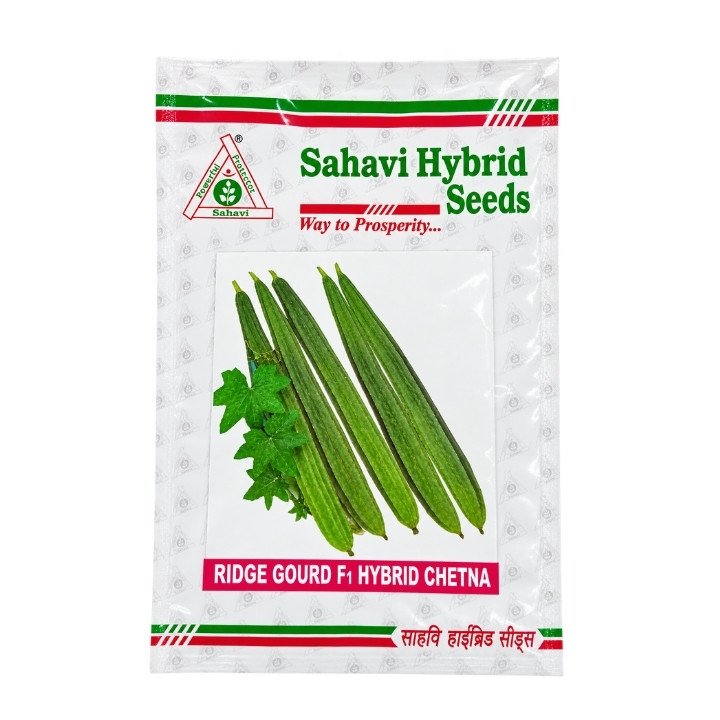
Sahavi Chetna F1 Hybrid Ridge Gourd Seeds
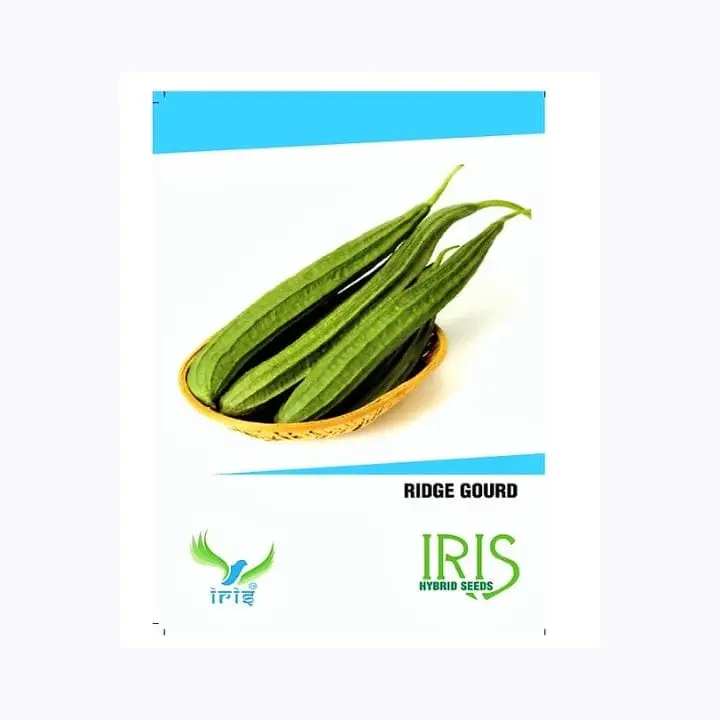
Sahavi Chetna is an early and vigorous F1 Hybrid Ridge Gourd / Turai variety developed for commercial vegetable cultivation. It produces attractive long, slender and dark green fruits with an average length of approximately 30–35 cm.
The fruits generally weigh around 150–200 grams and the crop reaches maturity in approximately 38–40 days under suitable growing conditions. The hybrid is known for excellent fruit setting, good eating quality and good keeping quality.
Sahavi Chetna also offers tolerance to Downy Mildew and Powdery Mildew, making it a useful choice for growers looking for an early, productive and market-oriented ridge gourd hybrid.
Product Specifications
| Brand |
Sahavi Hybrid Seeds |
| Variety Name |
Chetna |
| Crop |
Ridge Gourd / Turai |
| Seed Type |
F1 Hybrid |
| Plant Growth |
Early and Vigorous |
| Maturity |
Approximately 38–40 Days |
| Fruit Shape |
Long and Slender |
| Fruit Colour |
Dark Green |
| Fruit Length |
30–35 cm |
| Average Fruit Weight |
150–200 grams |
| Fruit Setting |
Excellent |
| Taste |
Excellent |
| Keeping Quality |
Good |
| Disease Tolerance |
Downy Mildew and Powdery Mildew |
| Product Category |
Vegetable Seeds – Ridge Gourd Seeds |
Key Features
- Early F1 Hybrid: Reaches maturity in approximately 38–40 days under suitable growing conditions.
- Vigorous Plant Growth: Develops strong and vigorous vines capable of supporting regular flowering and fruit production.
- Long & Slender Fruits: Produces attractive, uniform fruits with a desirable elongated shape.
- Dark Green Colour: Fruits develop an appealing dark green colour suitable for fresh vegetable markets.
- 30–35 cm Fruit Length: Produces medium-long marketable ridge gourd fruits.
- 150–200 Gram Fruit Weight: Fruits generally achieve a desirable market weight under proper cultivation.
- Excellent Fruit Setting: Known for strong fruit-setting ability under favourable crop conditions.
- Excellent Taste: Produces good-quality fruits with desirable eating characteristics.
- Good Keeping Quality: Fruits maintain quality well after harvesting when handled and stored properly.
- Disease Tolerance: The hybrid is described as tolerant to Downy Mildew and Powdery Mildew.
Fruit Characteristics
| Characteristic |
Details |
| Fruit Shape |
Long and Slender |
| Fruit Colour |
Dark Green |
| Fruit Length |
30–35 cm |
| Average Fruit Weight |
150–200 grams |
| Maturity |
Approximately 38–40 Days |
| Taste |
Excellent |
| Keeping Quality |
Good |
Plant Characteristics
Sahavi Chetna develops early and vigorous vines with excellent fruit-setting potential. Strong vine growth supports continuous flowering and fruit development when the crop receives balanced nutrition, adequate irrigation and proper field management.
Proper spacing and vine management help improve sunlight penetration, air circulation and ease of harvesting.
Maturity & Harvesting
Sahavi Chetna reaches maturity in approximately 38–40 days under suitable growing conditions. Actual maturity may vary depending on temperature, sowing season, soil fertility, irrigation and crop-management practices.
Harvest fruits while they are tender, dark green and at the preferred marketable size. Frequent harvesting helps maintain fruit quality and supports continued fruit setting.
Disease Tolerance
Sahavi Chetna is described as having tolerance to Downy Mildew and Powdery Mildew, two important fungal diseases that can affect cucurbit crops.
Disease tolerance does not mean complete immunity. Farmers should continue to follow recommended field sanitation, proper spacing, irrigation management and Integrated Disease Management practices.
Benefits of Sahavi Chetna Ridge Gourd
- Early maturity in approximately 38–40 days.
- Vigorous vine growth.
- Excellent fruit-setting ability.
- Long and slender marketable fruits.
- Attractive dark green colour.
- Fruit length of approximately 30–35 cm.
- Average fruit weight of 150–200 grams.
- Excellent eating quality.
- Good keeping quality.
- Tolerance to Downy Mildew and Powdery Mildew.
- Suitable for commercial ridge gourd cultivation.
Recommended Uses
- Commercial ridge gourd cultivation
- Fresh vegetable production
- Local vegetable markets
- Wholesale vegetable markets
- Retail vegetable supply
- Market-oriented vegetable farming
Sowing Guidelines
- Select fertile and well-drained agricultural land.
- Prepare raised beds, ridges or pits according to the local cultivation system.
- Sow seeds at an appropriate depth in adequately moist soil.
- Avoid excessively deep sowing.
- Maintain adequate moisture during germination.
- Maintain sufficient plant spacing to allow proper vine growth.
- Provide a suitable trellis or support system where recommended.
Soil Requirements
Ridge gourd performs well in fertile, well-drained soil rich in organic matter. Good drainage is important for healthy root development and vigorous vines.
Well-decomposed farmyard manure or compost may be incorporated during field preparation according to local agricultural recommendations.
Trellis & Vine Management
A suitable trellis or support system can help improve crop management and fruit quality. Training the vines above the soil allows fruits to hang freely and can support straighter fruit development.
- Train developing vines onto the support structure.
- Maintain adequate spacing between plants.
- Avoid excessive canopy congestion.
- Remove severely diseased or damaged plant material.
- Maintain good air circulation through the crop canopy.
Irrigation Management
- Maintain adequate moisture during seed germination.
- Provide regular irrigation during active vine growth.
- Maintain sufficient soil moisture during flowering and fruit development.
- Avoid prolonged water stress.
- Avoid excessive irrigation and waterlogging.
- Adjust irrigation frequency according to soil type, weather and rainfall.
Nutrient Management
Apply nutrients according to soil-test results and local agricultural recommendations. Balanced nutrition is important for vigorous vines, flowering, fruit setting and development of high-quality marketable fruits.
Avoid excessive nitrogen application because it may encourage excessive vegetative growth and disturb the balance between vine growth and fruiting.
Flowering & Pollination
Proper pollination plays an important role in fruit setting in ridge gourd. Pollinating insects such as bees should be protected during the flowering stage.
Avoid unnecessary pesticide sprays during periods of high pollinator activity. Where pesticide application is necessary, always follow product-label instructions and local recommendations.
Crop Management Tips
- Use healthy and good-quality hybrid seeds.
- Select fertile, well-drained soil.
- Maintain suitable spacing for vigorous vine growth.
- Provide trellising or vine support where appropriate.
- Keep the field relatively free from weeds.
- Apply balanced fertilizers according to crop requirements.
- Maintain adequate soil moisture without waterlogging.
- Monitor regularly for pests and diseases.
- Follow Integrated Pest and Disease Management practices.
- Harvest tender marketable fruits regularly.
Harvesting Tips
- Harvest fruits while they are tender and dark green.
- Pick at the preferred marketable length and size.
- Avoid allowing fruits to become over-mature and fibrous.
- Use a clean harvesting tool where necessary.
- Avoid damaging the vines while harvesting.
- Carry out regular picking to promote further fruit development.
- Grade harvested fruits according to size and quality.
Why Choose Sahavi Chetna F1 Hybrid Ridge Gourd?
- Early Harvest: Approximately 38–40 days maturity.
- Strong Vines: Early and vigorous plant growth.
- Excellent Fruit Setting: Suitable for productive commercial cultivation.
- Attractive Fruits: Long, slender and dark green appearance.
- Desirable Size: Approximately 30–35 cm fruit length.
- Marketable Weight: Approximately 150–200 grams per fruit.
- Good Eating Quality: Excellent taste.
- Good Keeping Quality: Suitable for fresh-market handling.
- Disease Tolerance: Tolerant to Downy Mildew and Powdery Mildew.
Storage Instructions for Seeds
- Store seeds in a cool and dry place.
- Protect the packet from direct sunlight, heat and moisture.
- Keep the packet properly sealed until sowing.
- Store separately from pesticides, fertilizers and other chemicals.
- Keep out of reach of children and animals.
- Use the seeds within the validity period printed on the original packet.
Frequently Asked Questions
What is Sahavi Chetna?
Sahavi Chetna is an F1 Hybrid Ridge Gourd / Turai variety producing long, slender and dark green fruits.
What is the maturity period of Sahavi Chetna?
The hybrid reaches maturity in approximately 38–40 days under suitable cultivation conditions.
What is the fruit length?
Sahavi Chetna fruits are approximately 30–35 cm long.
What is the average fruit weight?
The fruits generally weigh approximately 150–200 grams.
What is the fruit colour?
The variety produces attractive dark green fruits.
What is the fruit shape?
The fruits are long and slender.
Does Sahavi Chetna have good fruit setting?
Yes. The hybrid is known for excellent fruit-setting ability under suitable crop-management conditions.
Is Sahavi Chetna tolerant to diseases?
Yes. It is described as having tolerance to Downy Mildew and Powdery Mildew. Proper disease-management practices should still be followed.
Is Sahavi Chetna suitable for commercial cultivation?
Yes. Its early maturity, vigorous growth, excellent fruit setting, marketable fruit size and good keeping quality make it suitable for commercial ridge gourd cultivation.
Does Sahavi Chetna have good keeping quality?
Yes. The fruits are described as having good keeping quality when harvested and handled properly.
Disclaimer
Seed performance, fruit length, fruit weight, maturity and yield may vary depending on climate, soil type, season, irrigation, nutrition, pollination, pest and disease pressure, and overall crop-management practices. Always follow the instructions printed on the original Sahavi Hybrid Seeds packet and local agricultural recommendations.