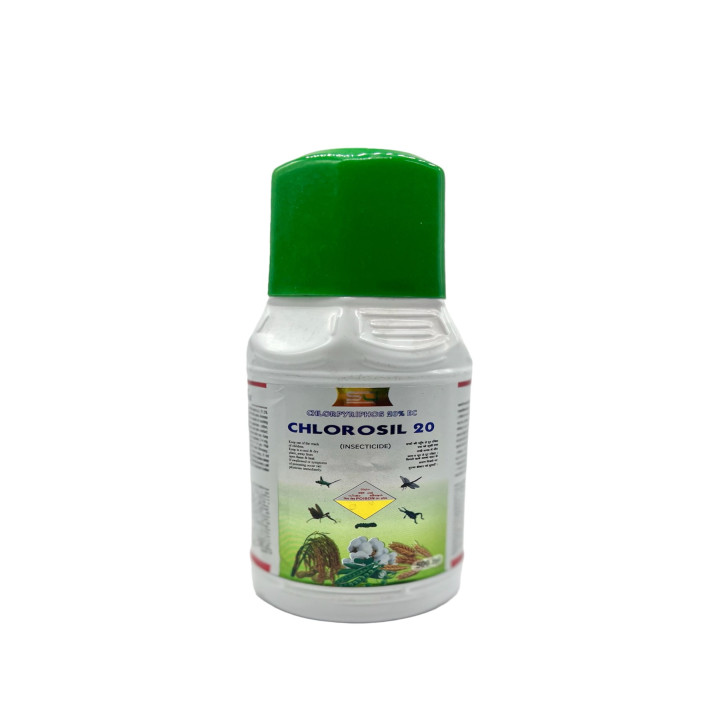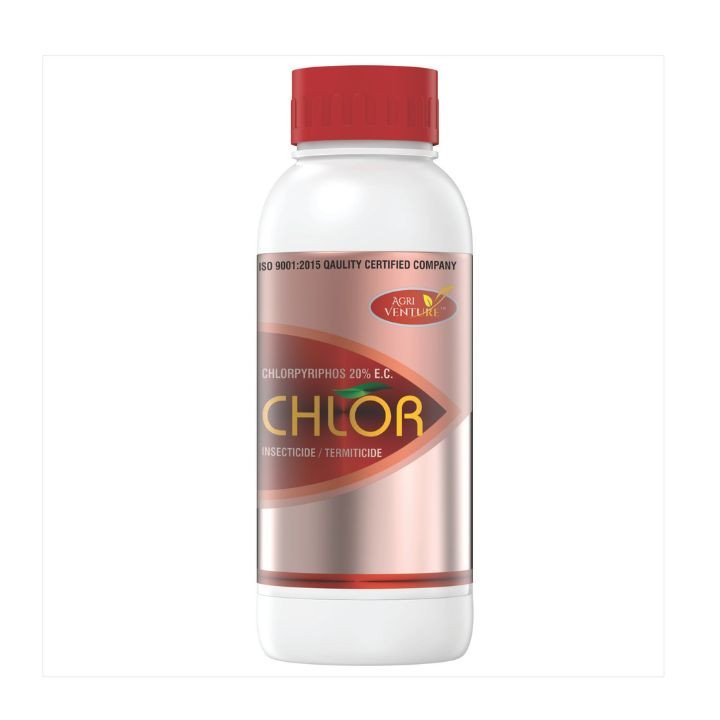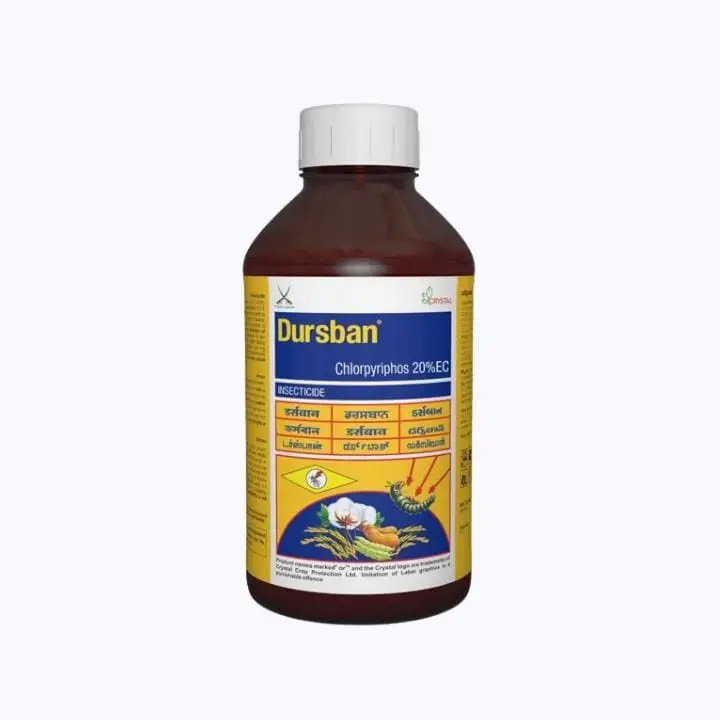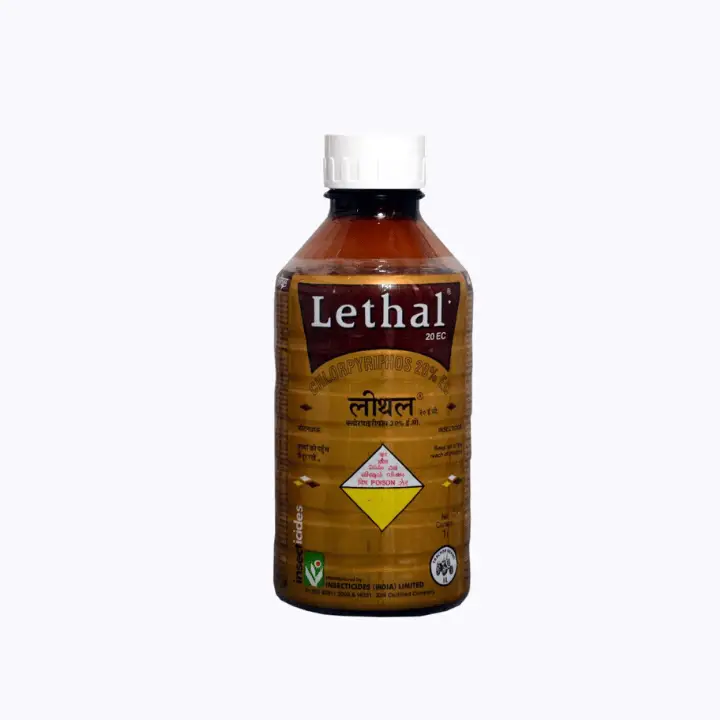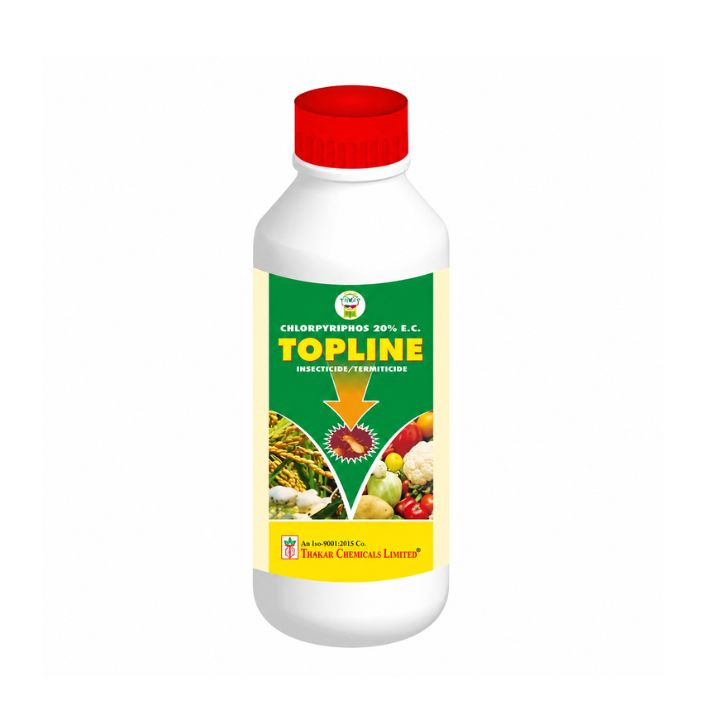


Chlorpyriphos 20% EC is an organophosphate insecticide that is commonly used in agriculture for managing certain insect pests, especially where farmers need support against soil and foliage pests (as per label claims). This page explains how it is generally used, what to check before spraying, and the key precautions to follow so results stay consistent and safe.
Chlorpyriphos affects the insect nervous system by inhibiting an essential enzyme (acetylcholinesterase). This disrupts nerve signaling and leads to pest control when insects come in contact with treated surfaces or ingest treated plant material (as per label usage).
Actual target pests depend on crop registration and product label. It is commonly referenced for situations involving:
Chlorpyriphos 20% EC is used in multiple crop situations depending on the product label and local recommendations. In many cases it is planned either as a soil application/drench or as a foliar spray, based on the pest and crop stage.
Dose varies by crop, target pest, and local label approvals. Use only the label-recommended dose and method for your specific crop. If the dose is not mentioned on your product label, follow local agriculture advisory before use.
It is commonly used in certain methods for soil and termite-related control, but application method and dose must match the product label for your crop.
Avoid random mixing. If mixing is necessary, do a jar test first and follow label guidance.
The details provided are for informational guidance only. Always adhere to the recommended application instructions as stated on the product label and in the accompanying leaflet.