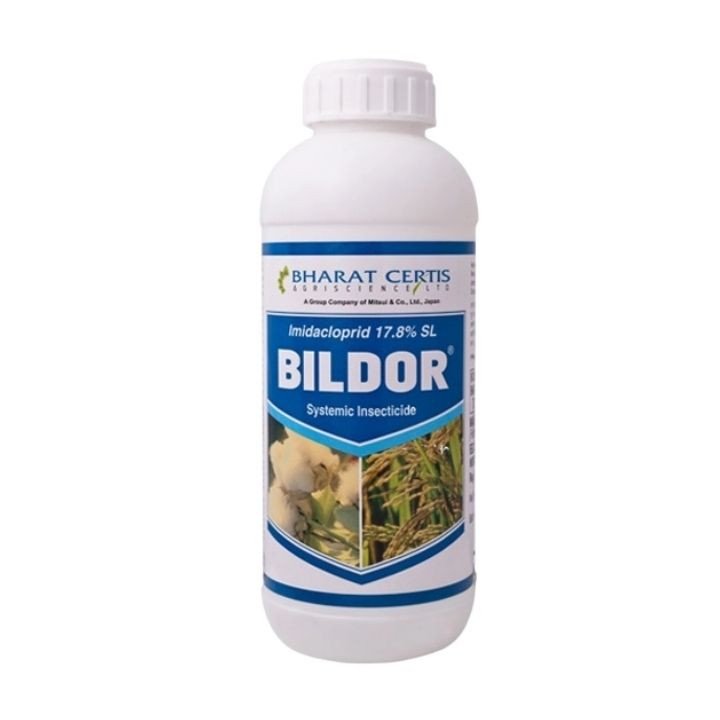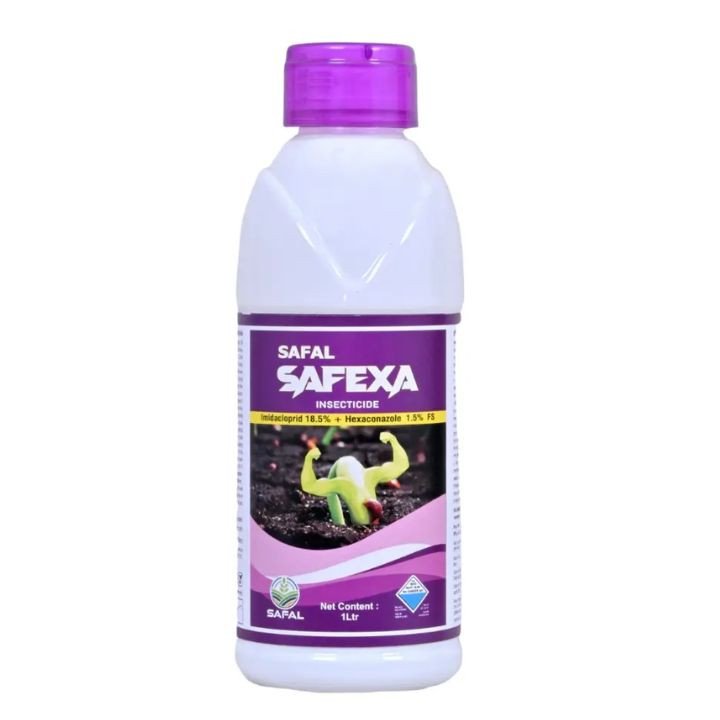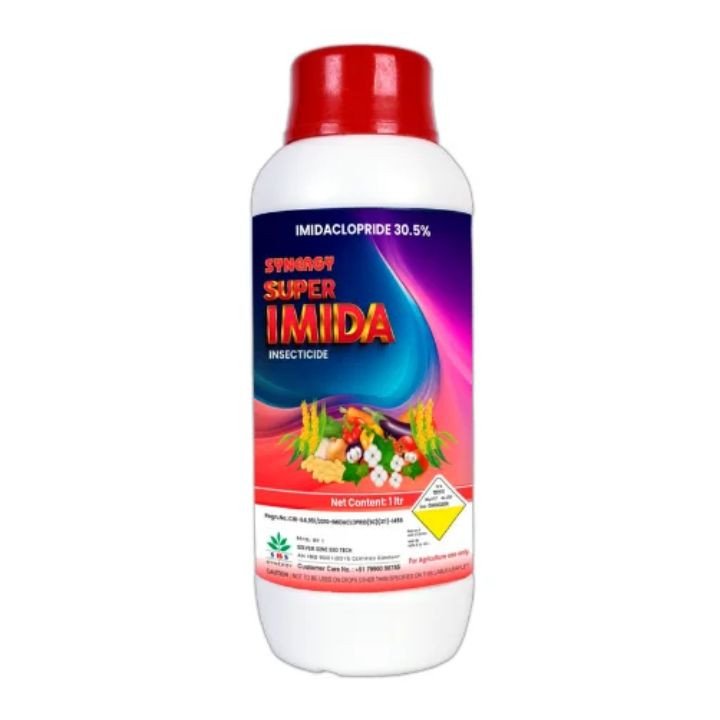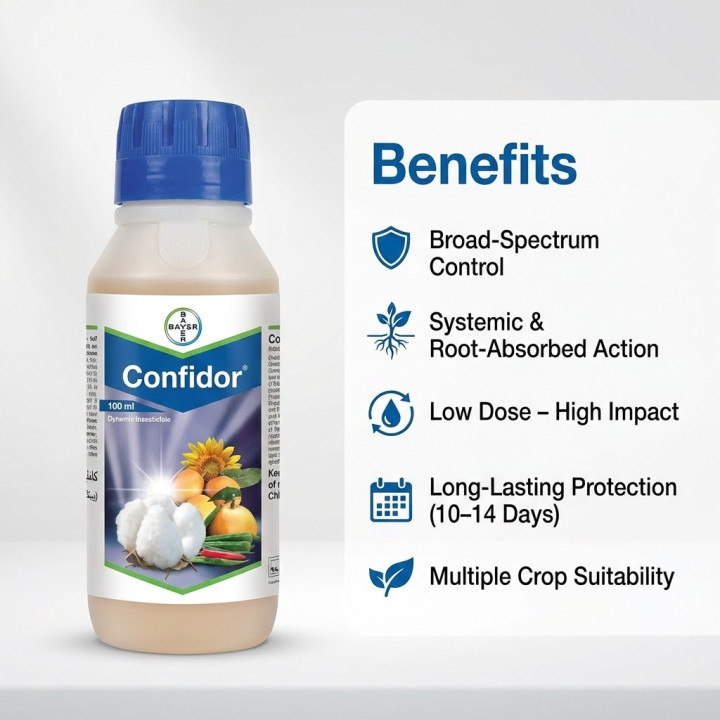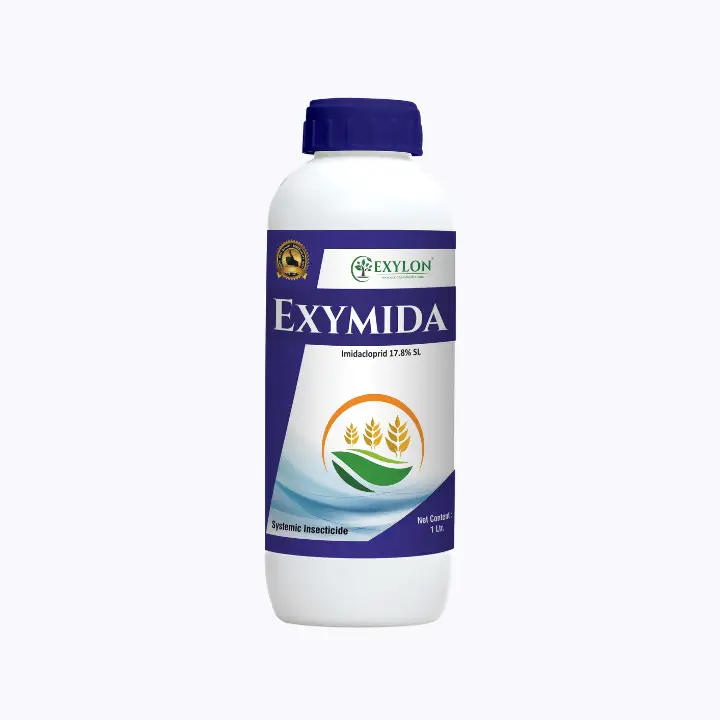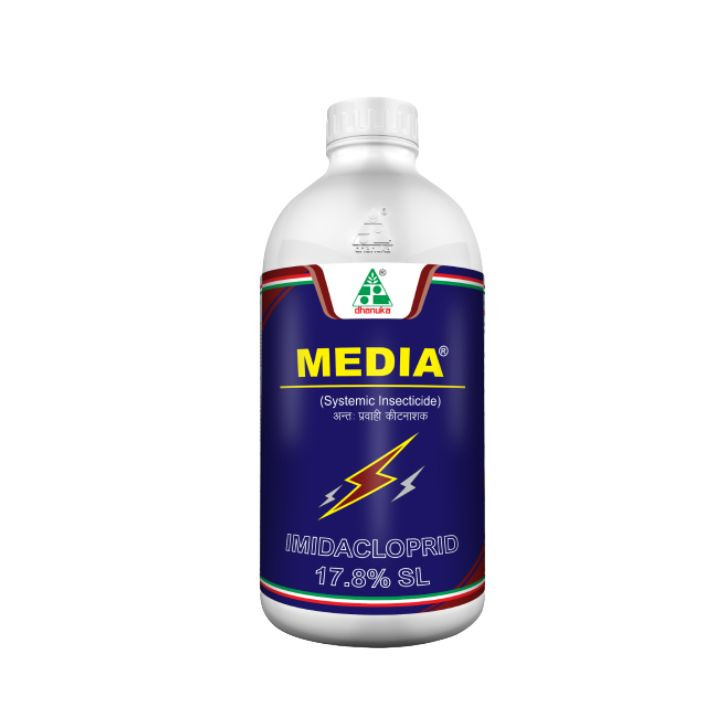

Imidacloprid is one of the most trusted solutions for controlling sucking pests in many crops. Farmers prefer it because it works through contact and ingestion and also shows systemic movement inside the plant, helping protect fresh growth where pests usually attack first. This page is a practical technical guide to understand how Imidacloprid works, where it fits best, and how to use it responsibly for long-lasting results.
Imidacloprid targets insect nicotinic acetylcholine receptors (nAChR), disturbing normal nerve signal transmission and leading to paralysis and death of susceptible pests. It is classified under IRAC Group 4A. :contentReference[oaicite:1]{index=1}
Because it translocates within the plant after application, it can provide broader internal protection compared to purely contact insecticides. :contentReference[oaicite:2]{index=2}
Imidacloprid is used across many crop groups such as cotton, paddy, vegetables, fruits, and plantation crops depending on the registered label claims and local recommendations. Always match the product label with your crop and pest.
| Formulation | Typical Use | Notes |
|---|---|---|
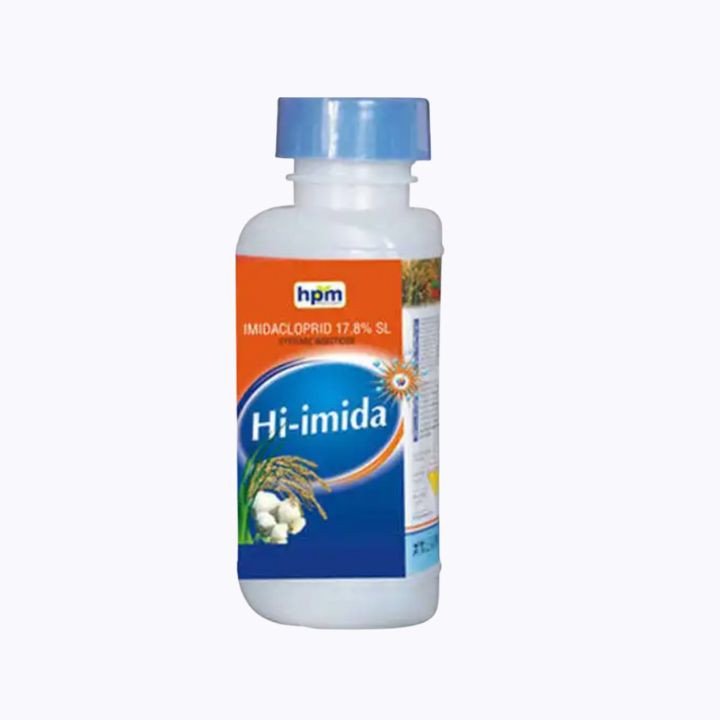
| Imidacloprid 17.8% SL | Foliar spray / soil drench (label-based) | Very common for sucking pests |
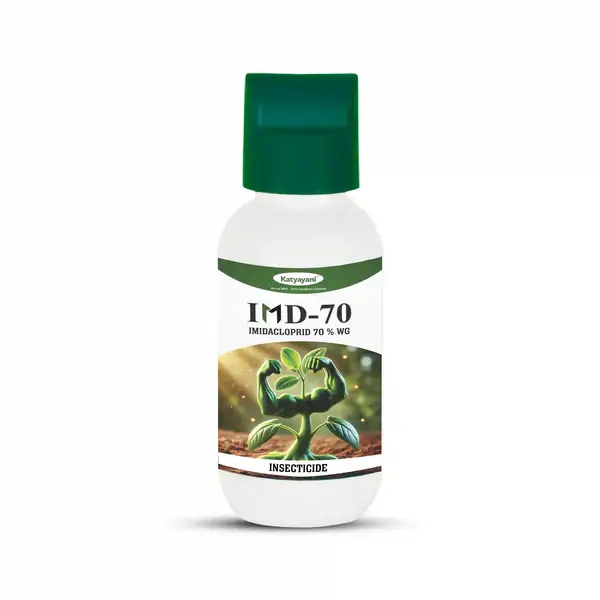
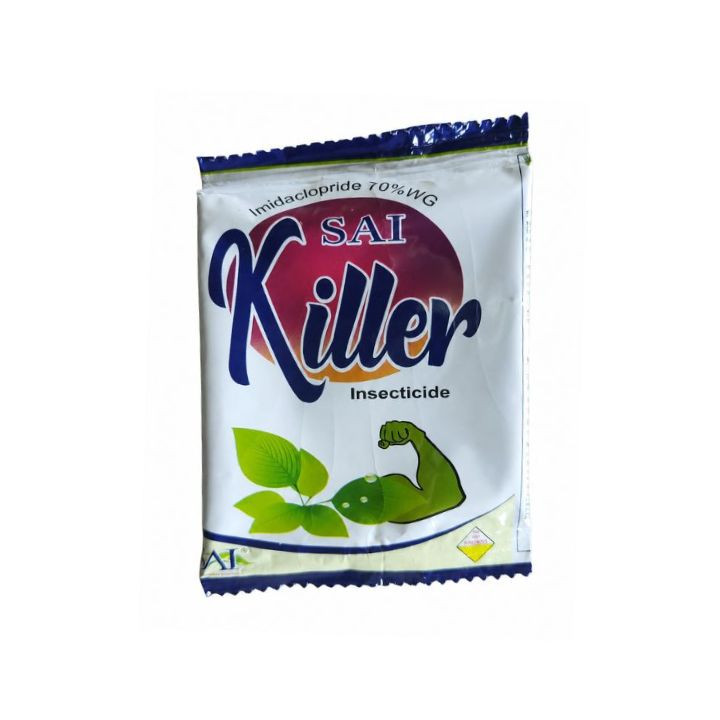
| Imidacloprid 70% WG/WS | Foliar spray (label-based) | High concentration; accurate measurement is critical |
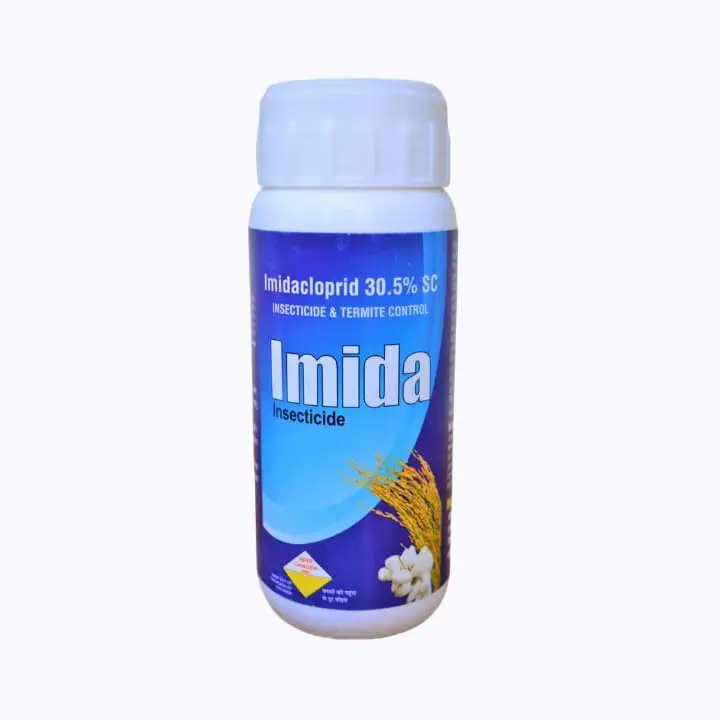
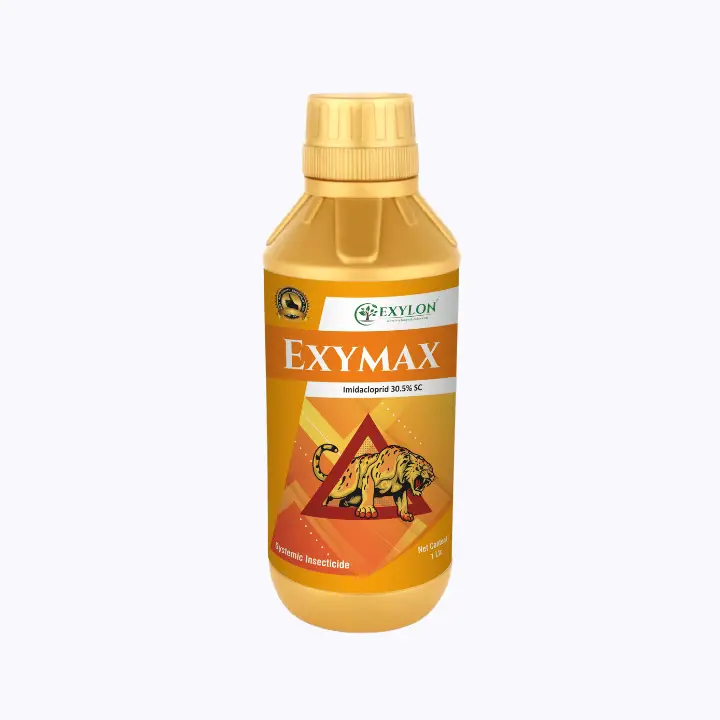
| Imidacloprid 30.5% SC | Foliar spray (label-based) | Often used where SC is preferred |
| Imidacloprid 48% FS | Seed treatment (label-based) | Helps protect seedlings from early sucking pests |
Dose depends on formulation, crop, pest pressure, spray volume, and local label approvals. For this reason, always follow your product label first.
Imidacloprid belongs to IRAC Group 4A. Repeated use of the same mode of action can increase resistance risk in pests.
IRAC recommends using mode-of-action rotation strategies for Group 4 insecticides to slow resistance development. :contentReference[oaicite:3]{index=3}
As a systemic insecticide, Imidacloprid can move within plant tissues. Use extra care around flowering stages and pollinator presence. Prefer targeted, need-based sprays and avoid unnecessary applications. :contentReference[oaicite:4]{index=4}
Yes, it translocates within plant tissues after application, which is a key reason it performs well on sucking pests. :contentReference[oaicite:5]{index=5}
It is widely used against sucking pests such as aphids, jassids/leafhoppers, whiteflies, and thrips (based on crop and label). :contentReference[oaicite:6]{index=6}
Rotate with different IRAC groups and avoid repeating Group 4A sprays back-to-back. :contentReference[oaicite:7]{index=7}
The details provided are for informational guidance only. Always adhere to the recommended application instructions as stated on the product label and in the accompanying leaflet.