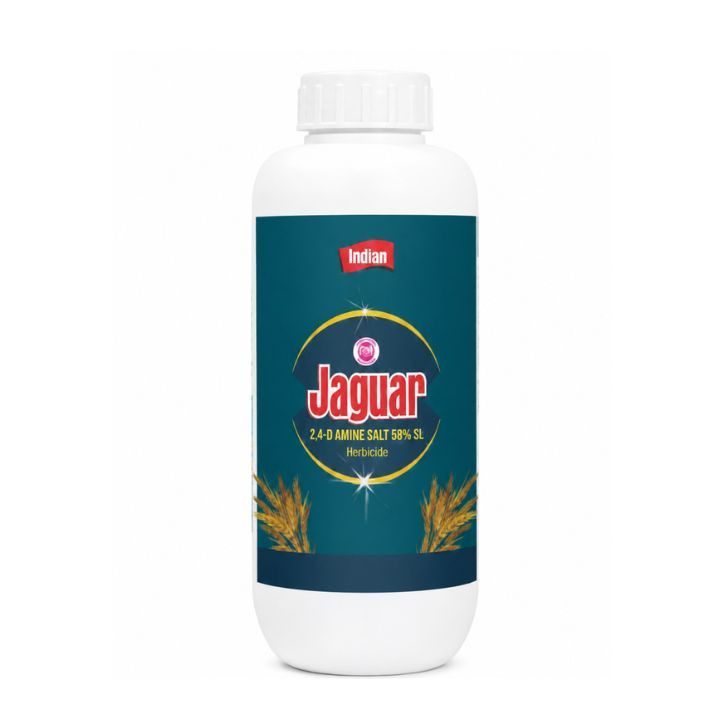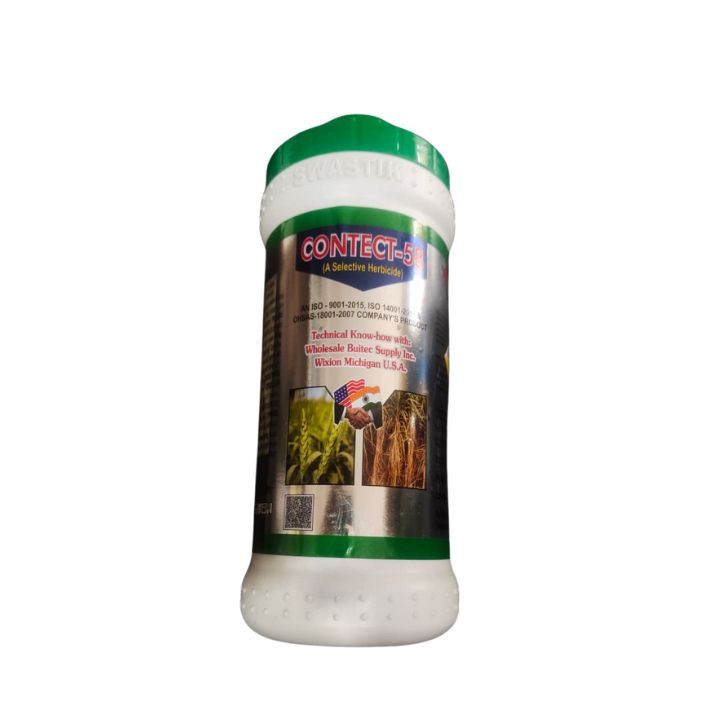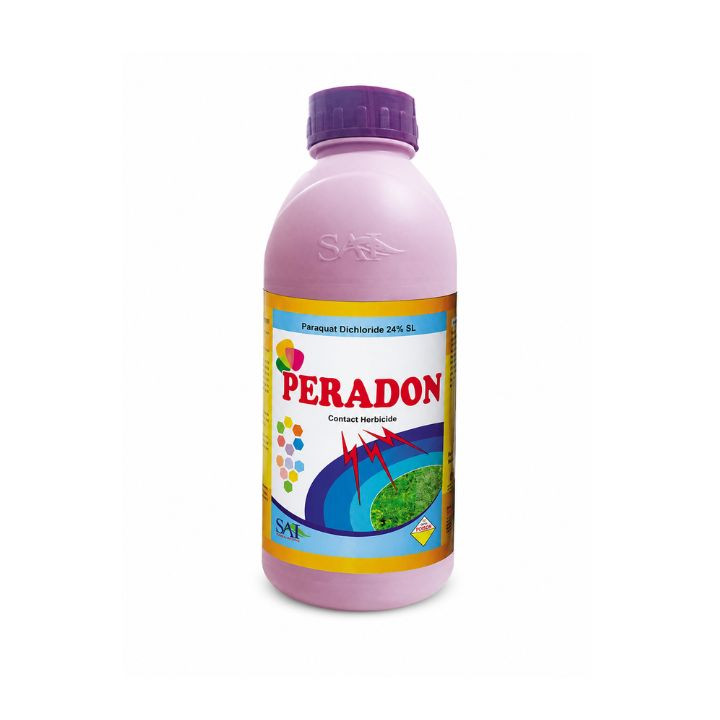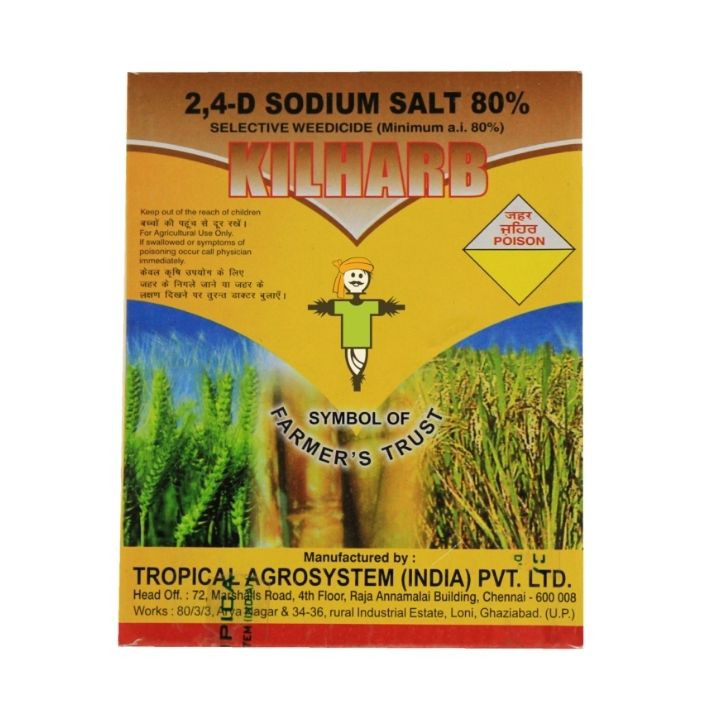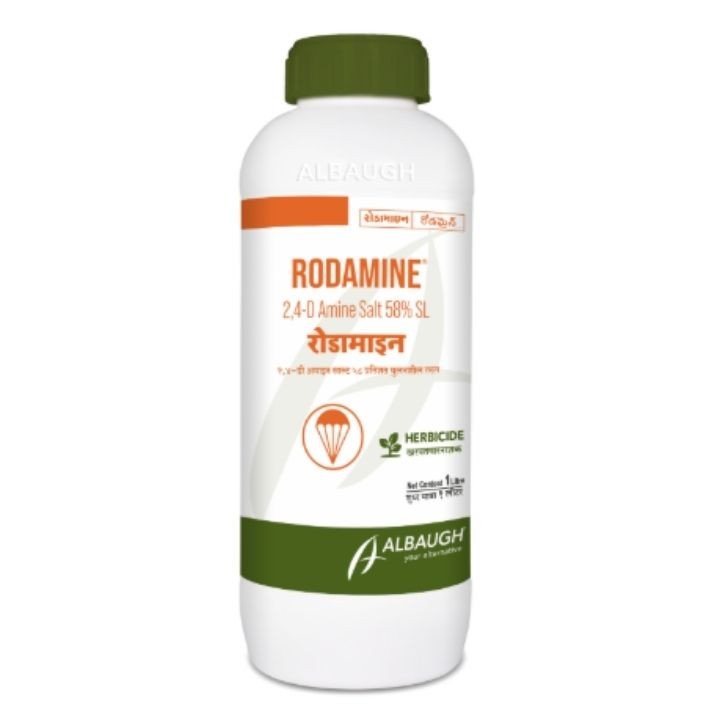
2,4-Dichlorophenoxyacetic acid — 2,4-D for short — is among the longest-standing herbicide chemistries still in active use worldwide, and Albaugh Rodamine delivers it as a dimethylammonium salt solution at 58% concentration. What's kept this chemistry relevant for so long isn't novelty; it's a well-understood, selective systemic mode of action that continues to perform reliably against a category of weeds that remains a persistent problem across cereal and grain crops — broadleaf weeds competing with a narrow-leaved crop.
Being a phenoxy herbicide, Rodamine's selectivity comes from a fundamental biological difference between broadleaf plants and grass-family crops like cereals, maize, rice, and sorghum. Broadleaf weeds absorb and translocate the herbicide in a way that disrupts their normal growth hormone regulation, while grass-family crops are largely unaffected by the same exposure — this selectivity is precisely what allows Rodamine to be sprayed directly over a standing cereal crop without harming it.
| Detail | Specification |
|---|---|
| Brand | Albaugh |
| Product Name | Rodamine |
| Technical Content | 2,4-D Amine Salt 58% |
| Formulation | Soluble Liquid (SL) |
| Herbicide Type | Selective, Systemic, Post-Emergent Phenoxy Herbicide |
| Registered Crops | Cereals, Maize, Rice, Sorghum, Sugarcane |
Unlike a pre-emergent product applied before weeds germinate, Rodamine is a post-emergent herbicide — it's sprayed onto weeds that have already emerged and are actively growing. This timing distinction matters practically: application needs to happen once broadleaf weeds are visible and actively growing, but generally before they've become too mature or gone to seed, since younger, actively growing weeds absorb and translocate systemic herbicides more effectively than older, hardened plants.
Rodamine's label specifically covers annual and perennial broadleaf weeds — the distinction between annual and perennial matters here, since perennial weeds with established root systems typically require the systemic movement Rodamine provides to achieve full control, as a purely contact herbicide would only damage above-ground growth while leaving perennial root reserves intact to regrow.
| Application Context | Recommended Dose |
|---|---|
| Aquatic Weeds | 340–680 ml per acre |
| Maize | 344 ml per acre |
| Potato | 1400 ml per acre |
| Sorghum | 1200 ml per acre |
| Non-Crop Area | 1800 ml per acre |
This is one of the wider dosage spreads you'll find on a single herbicide label — from as little as 340 ml per acre for aquatic weed situations up to 1800 ml per acre for non-crop area treatment. The pattern generally reflects two things: how tolerant the treated crop (or absence of crop, in the non-crop case) is to a higher concentration, and how established or hardy the target weed population typically is in that specific context. Non-crop area application, with no crop selectivity concern at all, allows for a substantially higher rate than would ever be used over a standing crop like maize.
Potato appears in the dosage table at a notably high rate (1400 ml/acre) despite not being listed among Rodamine's primary registered crops (cereals, maize, rice, sorghum, sugarcane) on the current product page. Given this inconsistency, growers considering use on potato specifically should verify current label registration and rate directly with Albaugh or check the official label document before application, rather than relying solely on this dosage figure.
Why does Rodamine's dose vary so much between maize (344 ml) and non-crop areas (1800 ml)?
Crop selectivity is the primary factor — over a standing maize crop, the dose must stay within a range the crop can tolerate, while non-crop area application has no such constraint and can use a substantially higher rate for more thorough weed control.
Can Rodamine be sprayed directly over a cereal or maize crop without harming it?
Yes, its selective systemic action specifically targets broadleaf weeds while grass-family crops like cereals, maize, rice, and sorghum are generally unaffected at the labeled crop-specific dose.
Is Rodamine effective on perennial weeds with deep root systems?
Its systemic movement is designed to translocate into root systems, making it more effective against perennial weeds than a purely contact herbicide, though very well-established perennial populations may need repeat treatment.
Why is potato listed with a dose but not among the main registered crops?
This appears to be an inconsistency on the product listing; growers should verify current potato-specific registration and rate directly from Albaugh's official label documentation before use.
Disclaimer: The details provided are for informational guidance only. Always adhere to the recommended application instructions as stated on the product label and in the accompanying leaflet.
No reviews yet.