Buy Sagar Kanishk F1 Hybrid Onion Seeds — Early Maturity, High Yield & Ideal for Kharif Season
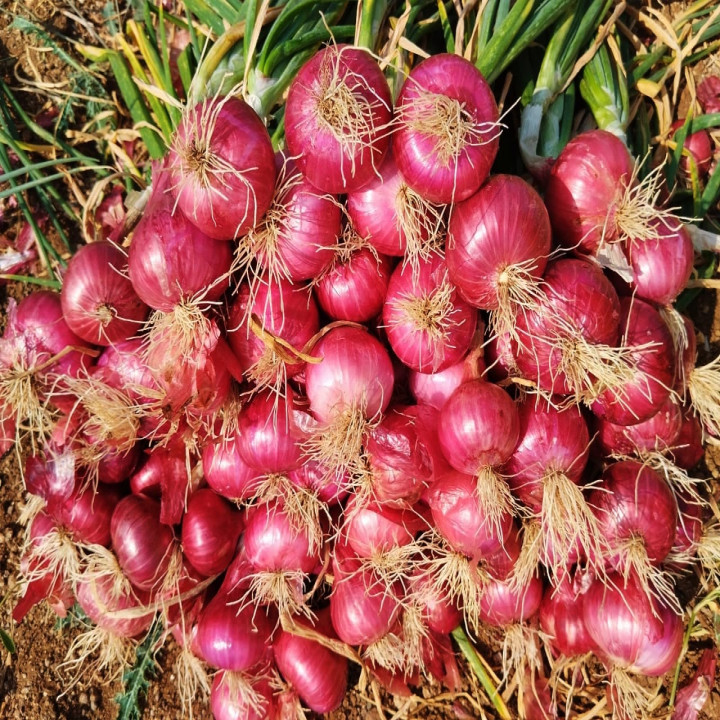
Sagar Kanishk F1 Hybrid Onion Seeds are specially developed for high-performance Kharif season cultivation. This hybrid variety is known for its strong plant vigor, attractive red bulbs, and excellent yield potential. The bulbs are uniformly round, vibrant in color, and possess strong stem development that supports healthy plant growth. With its reduced bolting tendency and early maturity, Sagar Kanishk F1 is a preferred choice for commercial farmers seeking consistent returns and superior quality produce.
Farmers value this variety for its adaptability to diverse Kharif conditions, ensuring reliable performance even in fluctuating climates. Whether cultivated for local markets or bulk trading, Sagar Kanishk F1 delivers uniform bulbs with excellent storage capacity and market appeal.
Product Specifications
Feature
Details
Brand
Sagar Bio Tech Private Limited
Variety
Sagar Kanishk F1 Hybrid Onion
Bulb Color
Attractive Red
Bulb Shape
Round
Average Bulb Weight
80–120 grams
Character
Early Maturity & High Yielding
Other Traits
Less Bolting
Plant Habit
Strong and Vigorous
Special Trait
Excellent Stem Development
Seed Rate
2.5–3 kg per acre
Sowing Season
Kharif (Rainy Season)
Sowing Method
Transplanting
Spacing
15 cm (row to row) × 10 cm (plant to plant)
Depth of Sowing
Less than 1 cm
Harvesting Time
100–120 days after transplanting
Average Yield
10–15 tons per acre
Special Remark
Results may vary based on soil type and climate
Key Features & Benefits
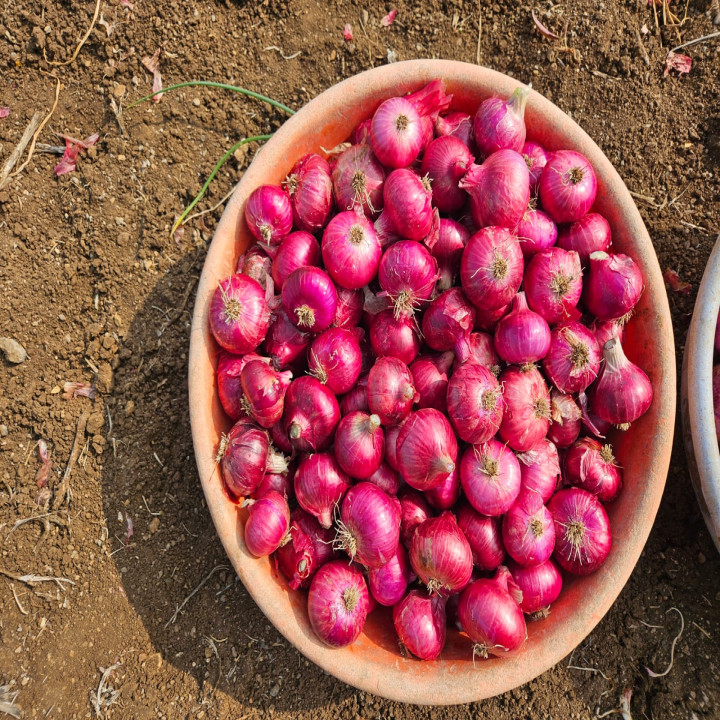
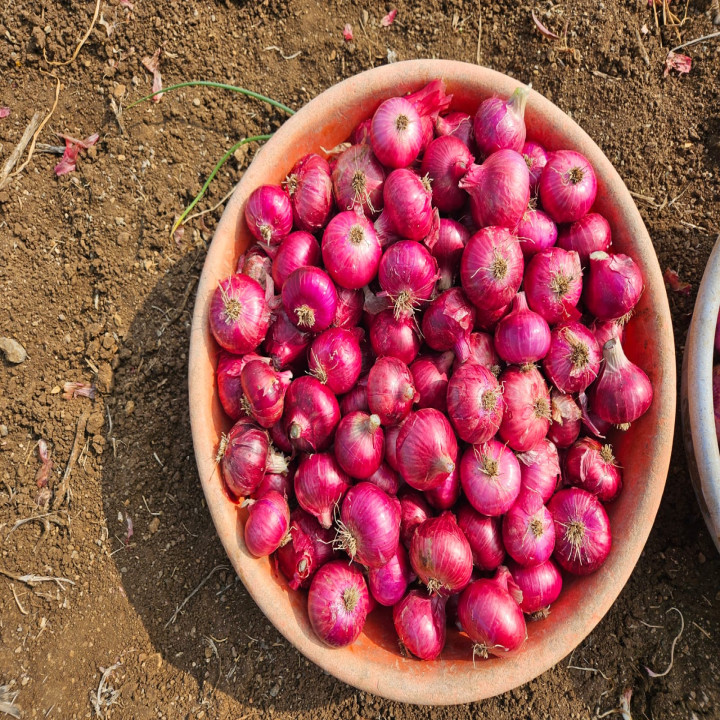
Attractive Red Bulbs: Produces uniform, deep red bulbs with glossy finish for strong market appeal.
Round Bulb Shape: Perfectly shaped bulbs preferred by both retail and wholesale buyers.
Early Maturity: Ready for harvest within 100–120 days, allowing quick market turnaround.
High Yield Potential: Delivers 10–15 tons per acre under ideal growing conditions.
Strong Plant Vigor: Promotes healthy plant growth even under Kharif weather challenges.
Reduced Bolting Tendency: Prevents premature flowering, ensuring better bulb development and quality.
Transplant Friendly: Performs best under nursery-raised and transplanted conditions.
Ideal for Kharif Season: Bred specifically to perform in rainy and humid climates.
Uses
Fresh Market Sales: Excellent for retail and wholesale due to bright red bulbs and uniform sizing.
Commercial Cultivation: Ideal for professional farmers targeting consistent, high-volume yields.
Processing: Suitable for use in onion flakes, powders, and value-added processing units.
Home Gardening: A dependable choice for gardeners seeking early harvest and premium quality onions.
Recommended Cultivation Practices
Soil Preparation: Choose well-drained loam or sandy loam soil rich in organic matter.
Nursery Raising: Sow seeds in raised nursery beds; transplant seedlings after 35–40 days.
Spacing: Maintain 15 cm between rows and 10 cm between plants.
Irrigation: Ensure light but frequent irrigation; avoid waterlogging during bulb formation.
Fertilization: Apply balanced NPK and micronutrients as per soil test recommendations.
Harvesting: Harvest when the necks bend and tops start drying for better storage and marketability.
Farmer Feedback
Farmers report strong plant growth and uniform bulb development under Kharif conditions.
Excellent performance in red onion markets with attractive color and storage capacity.
Low bolting rate ensures consistent bulb quality across the field.
Frequently Asked Questions (FAQs)
Q1: What season is Sagar Kanishk F1 Onion best suited for? A1: It is specifically bred for Kharif (rainy) season cultivation.
Q2: How long does it take to mature? A2: Maturity is achieved within 100–120 days after transplanting.
Q3: What is the average yield potential? A3: Farmers can expect 10–15 tons per acre under optimal management.
Q4: What makes it suitable for commercial farming? A4: Its high yield, early maturity, reduced bolting, and strong vigor make it ideal for large-scale cultivation.
Disclaimer: The information above is intended for reference purposes only. Always follow the agronomic guidelines and recommendations provided on the product label and leaflet.