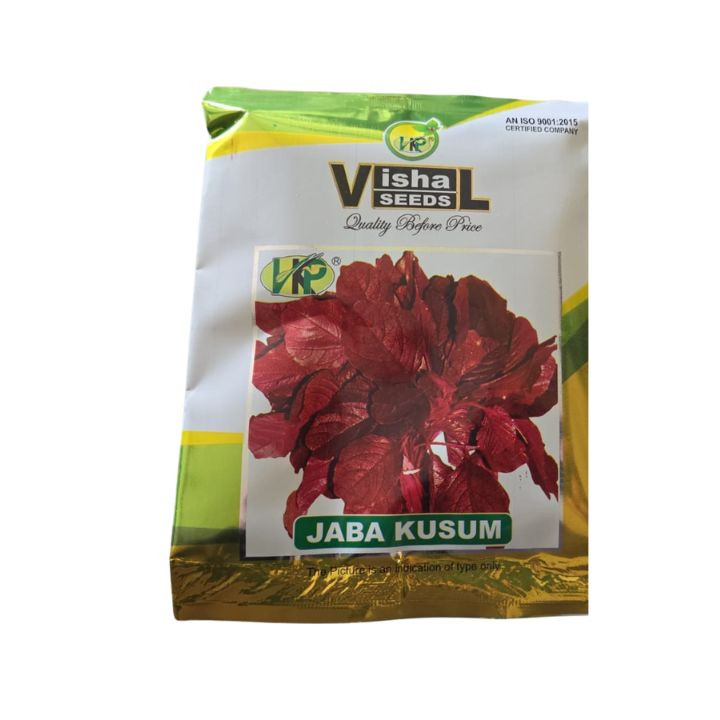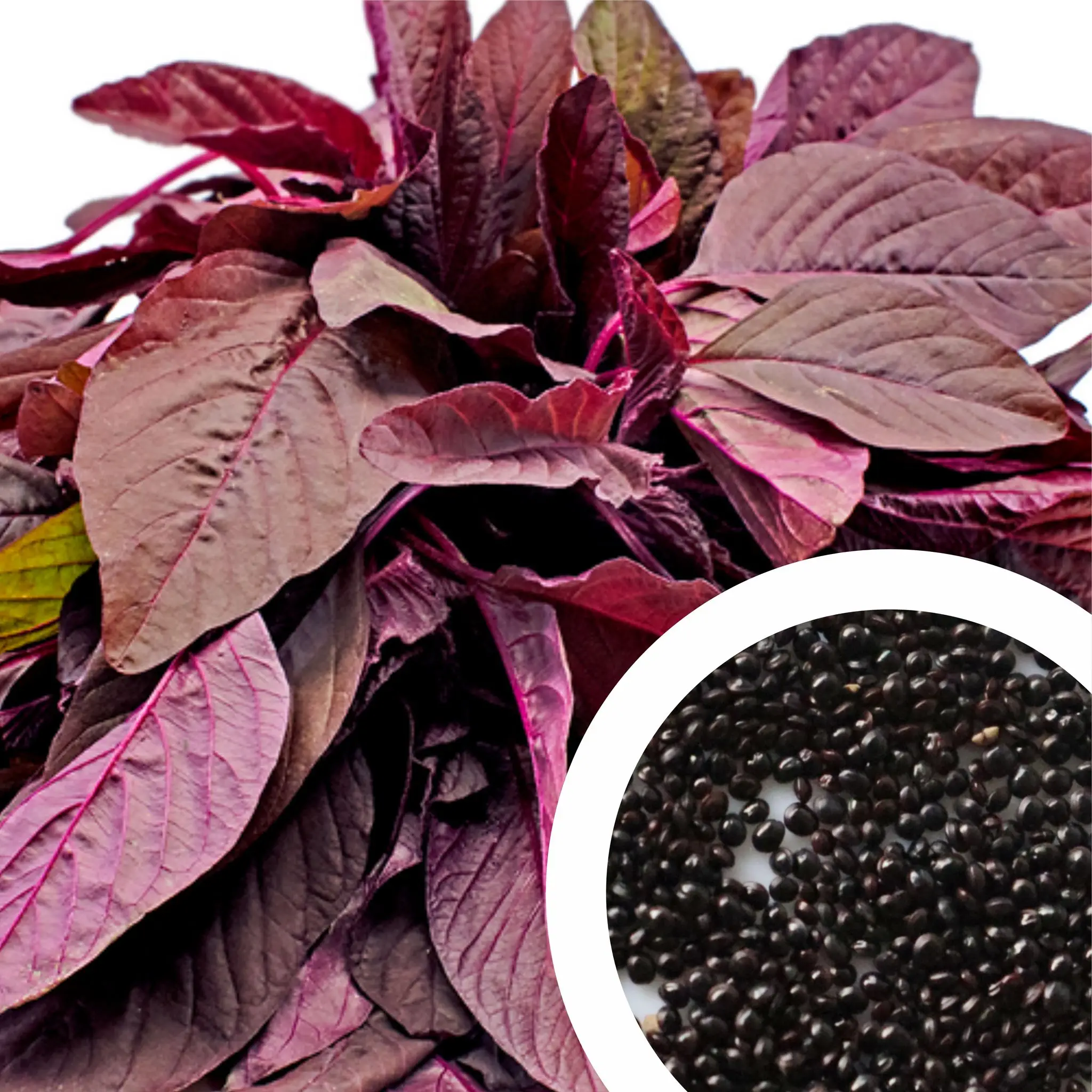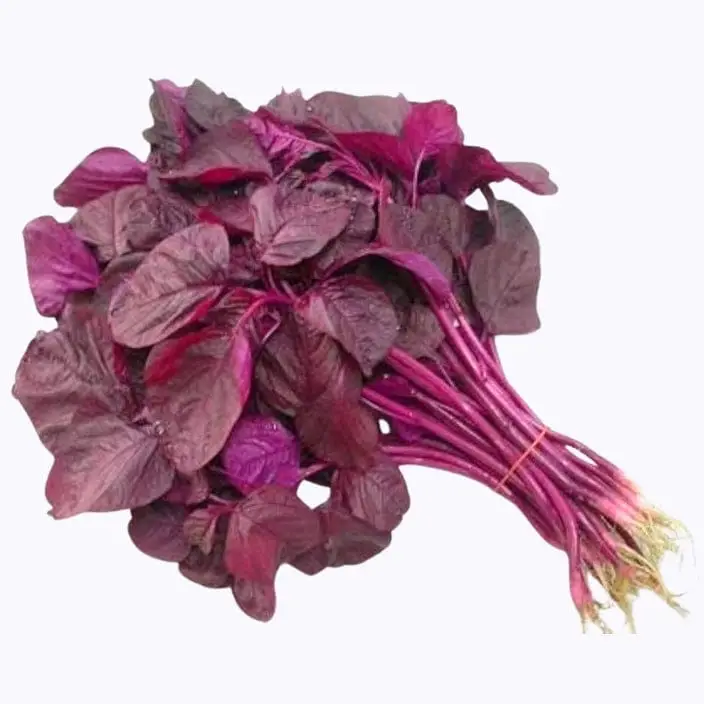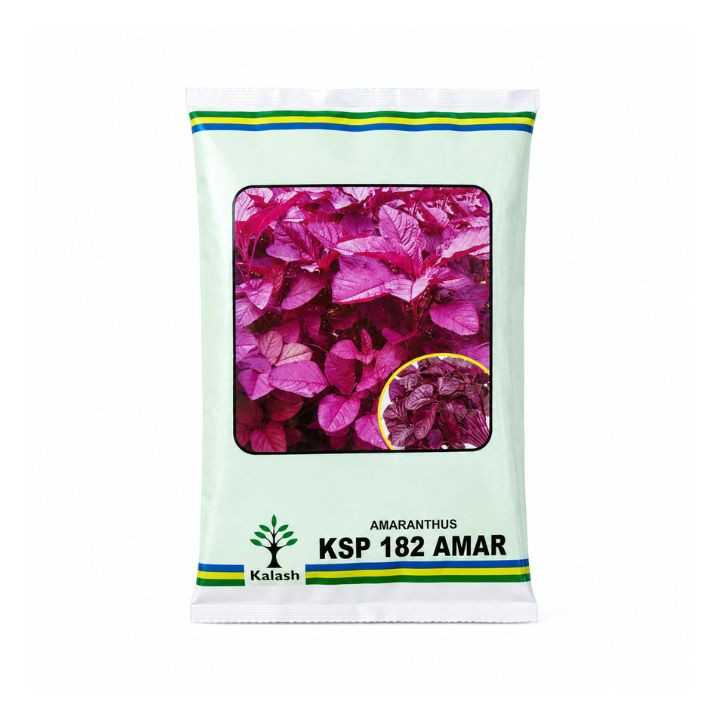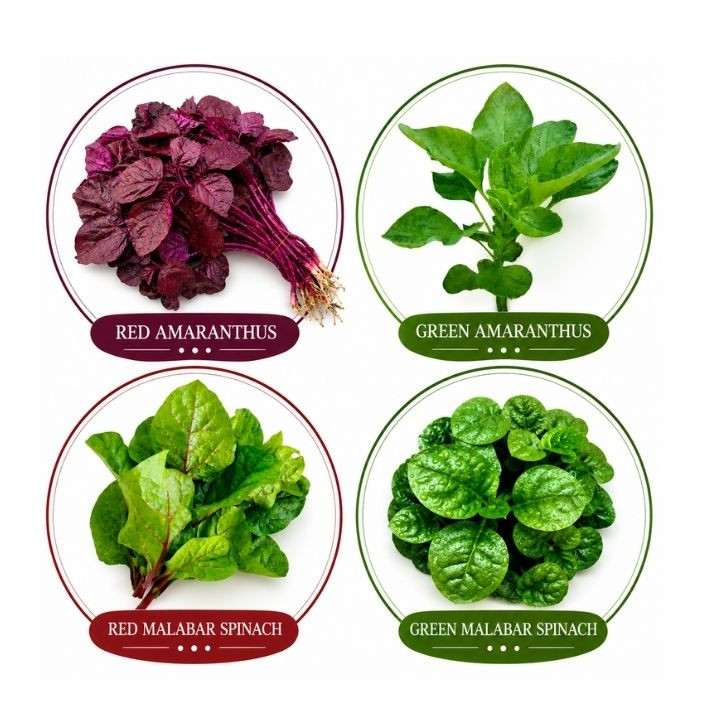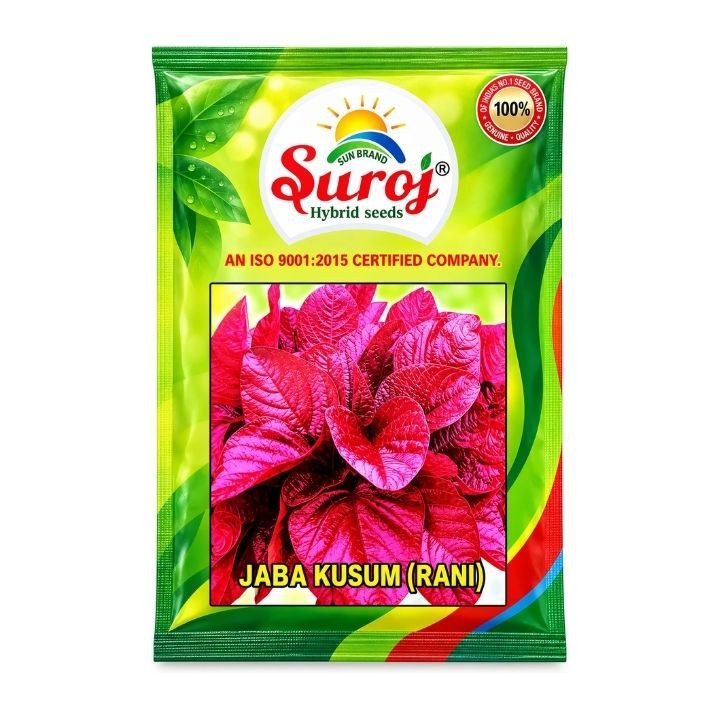

Suroj Jaba Kusum (Rani) Red Amaranthus Seeds are vegetable seeds for growing the popular leafy vegetable commonly known as Lal Chaulai, Lal Saag or Red Amaranthus. Jaba Kusum is suited to warm growing conditions and can be cultivated for tender, attractive red leafy produce.
This leafy vegetable is suitable for home gardens, kitchen gardens, terrace gardens, grow bags, raised beds and open-field cultivation. Red Amaranthus is valued for its relatively quick growth and the ability to provide tender leafy harvests when grown with adequate sunlight, moisture and fertile soil.
| Product Name | Jaba Kusum (Rani) Red Amaranthus Seeds |
|---|---|
| Brand | Suroj |
| Variety | Jaba Kusum (Rani) |
| Crop | Red Amaranthus |
| Common Names | Lal Chaulai, Lal Saag, Red Amaranth |
| Crop Type | Leafy Vegetable |
| Preferred Climate | Warm, Tropical to Subtropical Conditions |
| Sowing Method | Direct Sowing |
| Suitable For | Home Garden, Kitchen Garden, Terrace Garden, Grow Bags and Open Field |
| Harvest Use | Tender Leaves and Stems |
| Growing Requirement | Recommendation |
|---|---|
| Climate | Warm tropical to subtropical conditions |
| Sunlight | Good sunlight; light partial shade can also be tolerated |
| Soil | Loose, fertile and well-drained soil enriched with organic matter |
| Watering | Regular light irrigation to maintain adequate soil moisture |
| Sowing | Direct sowing in beds, rows, pots or grow bags |
| Harvest | Tender leaves and stems after sufficient vegetative growth |
Prepare loose, fertile and well-drained soil before sowing Suroj Jaba Kusum (Rani) Red Amaranthus Seeds. Mix well-decomposed compost or farmyard manure into the soil to improve fertility, structure and moisture-holding capacity.
Avoid heavily compacted or continuously waterlogged soil because poor drainage can interfere with seedling establishment and root development.
For leafy vegetable production, seeds may be sown relatively closely and later thinned according to the desired harvesting method. As a general garden reference, approximately 15–20 cm between plants and 25–30 cm between rows can provide sufficient space for mature leafy growth.
Closer planting may be used where young plants are harvested early, while wider spacing can be maintained when larger plants or repeated cuttings are desired. Follow the seed packet recommendation wherever a specific spacing is provided.
Keep the soil consistently moist during germination and early plant development. Use gentle irrigation to avoid washing away the small seeds or damaging young seedlings.
Once plants are established, water according to soil and weather conditions. Avoid prolonged waterlogging while also preventing severe moisture stress, as both conditions can affect leafy growth and quality.
Red Amaranthus grows well under good sunlight in warm conditions. Choose a location that receives several hours of useful sunlight each day.
In very hot conditions, some light partial shade may help reduce excessive moisture loss, but insufficient light can result in weaker or less vigorous plant development.
Tender leaves and young stems can be harvested after the plants have produced sufficient vegetative growth. Harvest timing varies according to temperature, soil fertility, moisture, planting density and the preferred size of the leaves.
For repeated harvesting, cut tender leafy portions while leaving enough healthy plant growth for regrowth. Where conditions are suitable, additional leafy growth may develop for subsequent cuttings.
Suroj Jaba Kusum (Rani) can be grown in sufficiently wide containers or grow bags with drainage holes. Fill the container with loose garden soil enriched with well-decomposed compost.
Sow seeds thinly over the surface, cover lightly and water gently. Keep the container in a location receiving adequate sunlight and thin overcrowded seedlings as they develop.
For field cultivation, prepare a fine seedbed and ensure proper drainage before sowing. Seeds can be broadcast uniformly or sown in rows depending on the preferred farming practice.
Regular weed removal, adequate irrigation and balanced crop nutrition help reduce competition and encourage healthy leafy growth.
Red Amaranthus is primarily grown for leafy vegetative growth and benefits from fertile soil with adequate organic matter. Incorporating well-decomposed compost or farmyard manure before sowing can support early crop establishment.
Additional crop nutrition should be based on soil fertility, local agricultural recommendations and the intended production system. Avoid excessive fertilizer application without assessing crop requirements.
Keep the growing area relatively weed-free, particularly while seedlings are small. Weeds can compete with young Amaranthus plants for water, nutrients, light and growing space.
Hand weeding or shallow cultivation can be used carefully to avoid disturbing the shallow root system of young plants.
Inspect the crop regularly for leaf-feeding insects, sucking pests and symptoms of fungal or bacterial disease. Maintaining adequate spacing, drainage and airflow can support healthier plant development.
If crop-protection treatment becomes necessary, use only products specifically labelled for the crop and target pest or disease, and follow the recommended dose and waiting period.
Suroj Jaba Kusum (Rani) is a Red Amaranthus seed variety grown as a leafy vegetable commonly known as Lal Chaulai or Lal Saag.
Red Amaranthus is commonly known as Lal Chaulai and Lal Saag in different regions of India.
Yes. It is cultivated primarily for its tender leaves and young stems.
Yes. Red Amaranthus is well suited to kitchen gardens, backyard gardens and raised vegetable beds.
Yes. It can be grown in sufficiently wide pots, containers and grow bags with good drainage.
It is generally suitable for direct sowing, so transplanting is usually unnecessary for normal leafy vegetable cultivation.
Loose, fertile and well-drained soil enriched with decomposed organic matter is suitable for healthy Red Amaranthus growth.
Red Amaranthus performs well with good sunlight. Light partial shade may also be tolerated depending on local weather conditions.
Use gentle irrigation and maintain consistent soil moisture without creating waterlogged conditions.
Repeated leaf cutting may be possible when enough healthy plant growth is left for regrowth and suitable growing conditions are maintained.
Yes. Red Amaranthus can be cultivated in open fields for fresh leafy vegetable production according to local farming practices.
Harvest tender leaves after sufficient vegetative growth has developed. Exact harvest timing depends on weather, fertility, moisture, planting density and desired leaf size.
Red Amaranthus generally performs well in warm tropical and subtropical conditions. The most suitable sowing period can vary by region and season.
Keep unused seeds sealed in a cool and dry place, protected from moisture, direct sunlight and excessive heat.
Suroj Jaba Kusum (Rani) Red Amaranthus Seeds | Lal Chaulai Seeds | Premium Quality Vegetable Seeds are suitable for growers looking to cultivate a fast-growing leafy vegetable in home gardens, terrace gardens, containers or agricultural fields. With proper soil preparation, moisture, sunlight and crop care, the plants can produce tender red leafy growth suitable for regular vegetable harvesting.
Disclaimer: The details provided are for informational guidance only. Always adhere to the recommended sowing and cultivation instructions as stated on the product label and in the accompanying leaflet.
No reviews yet.