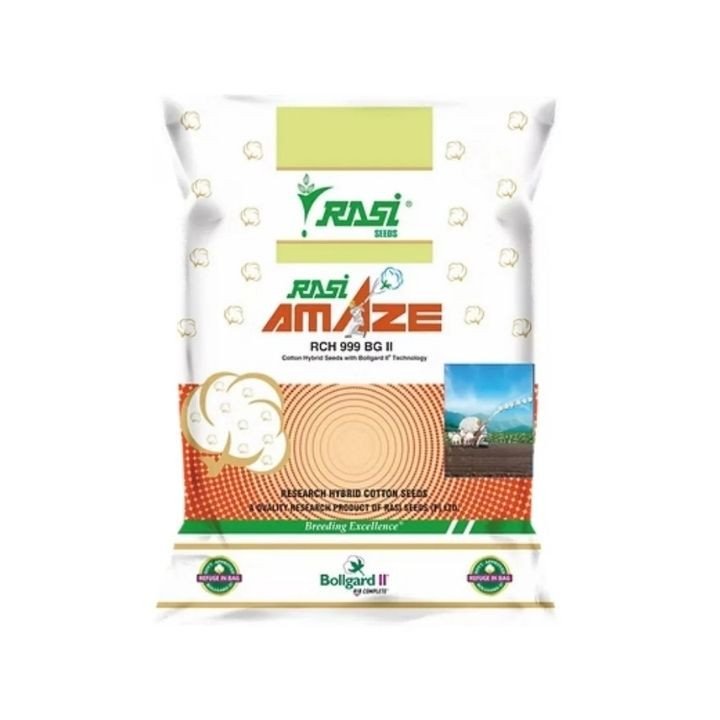
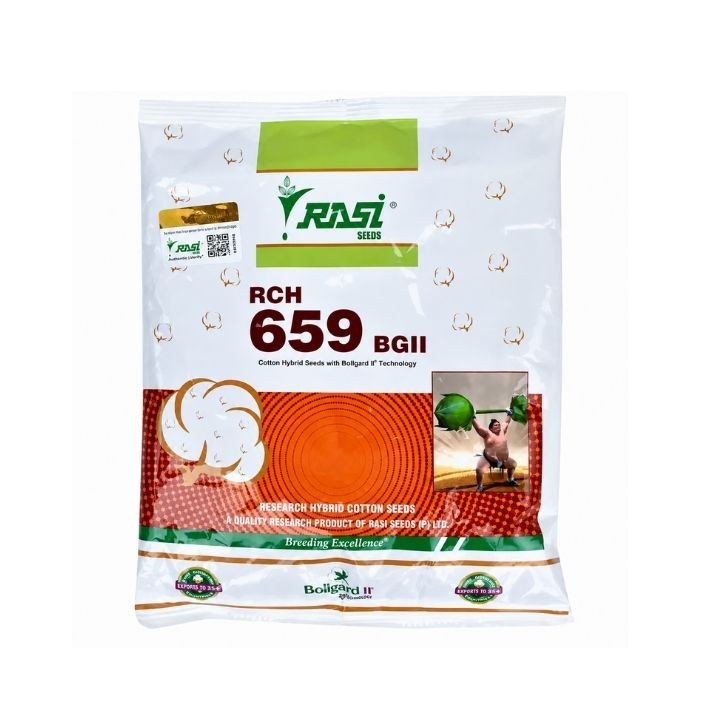
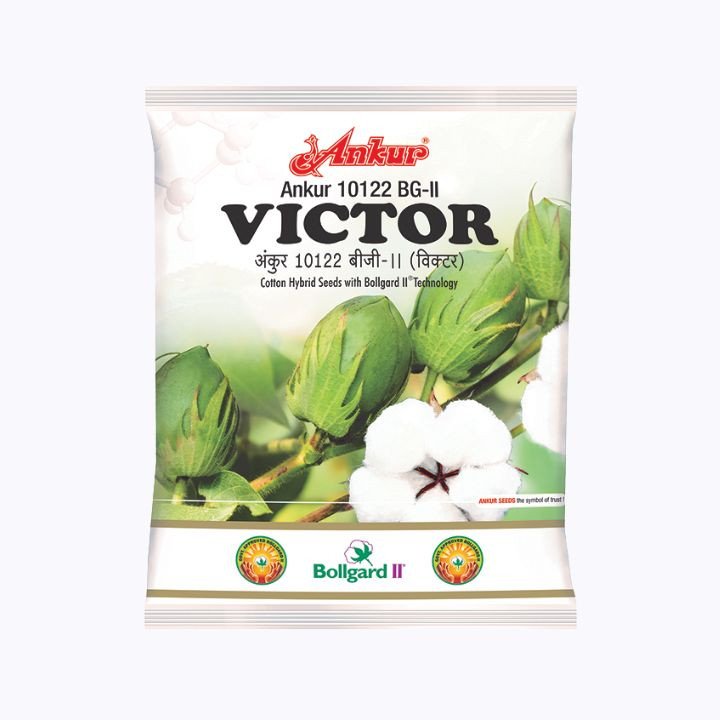
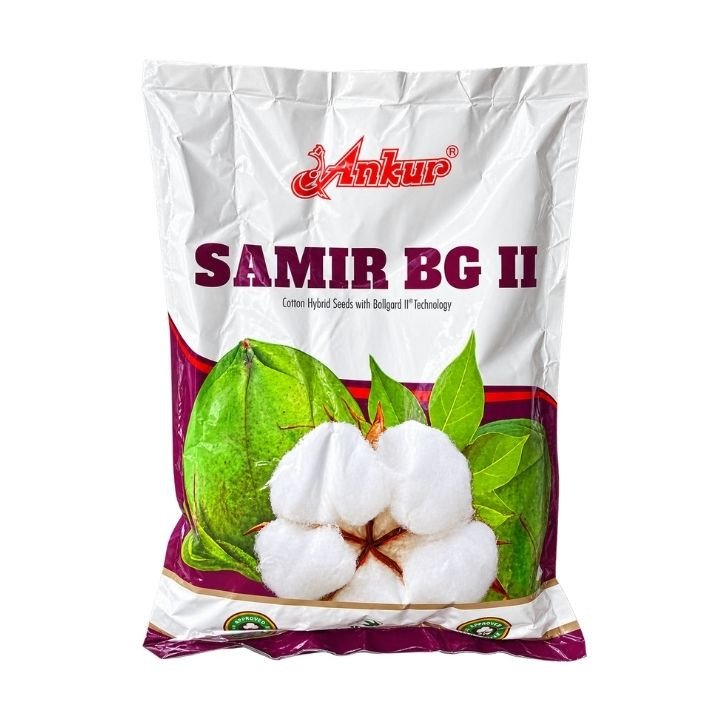
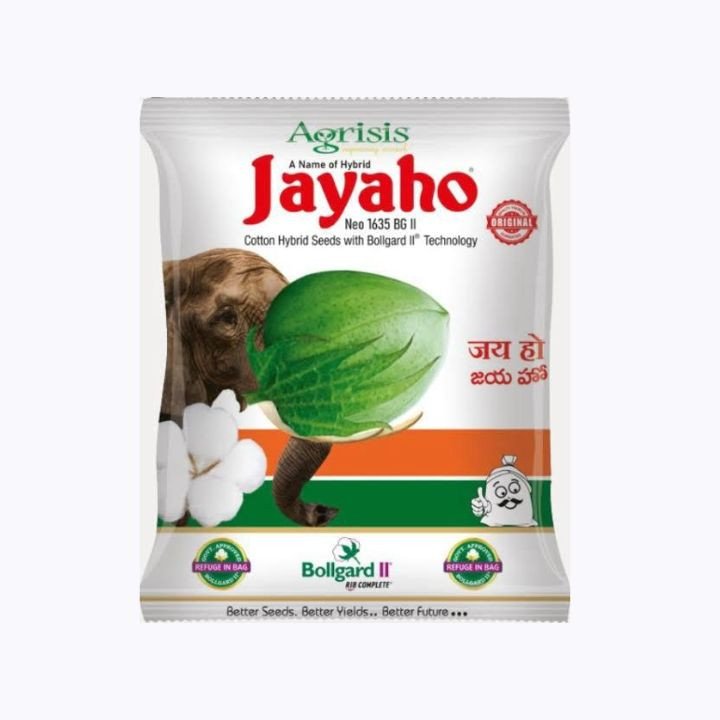
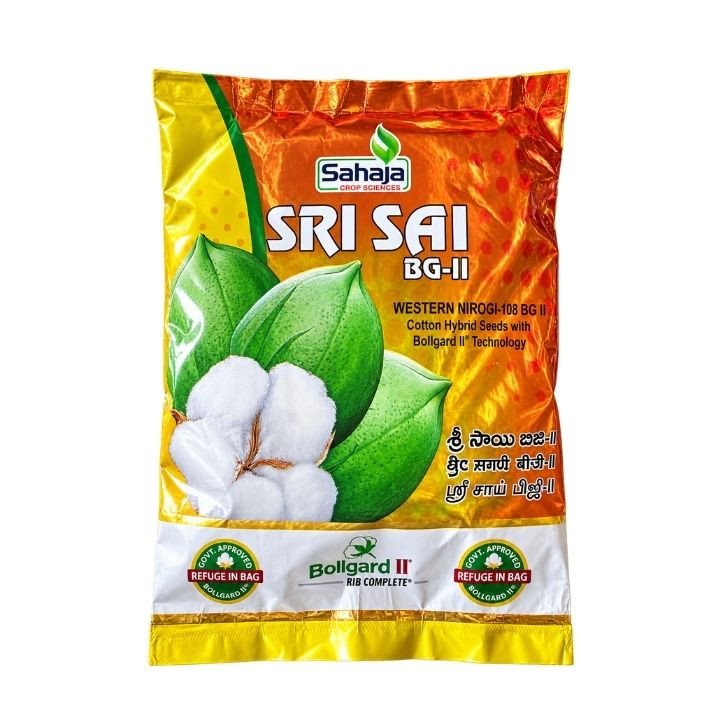
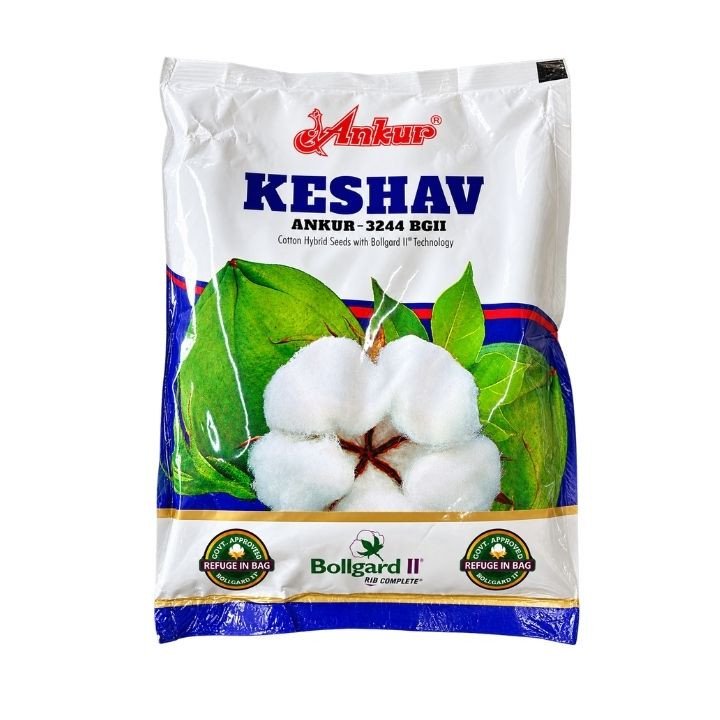
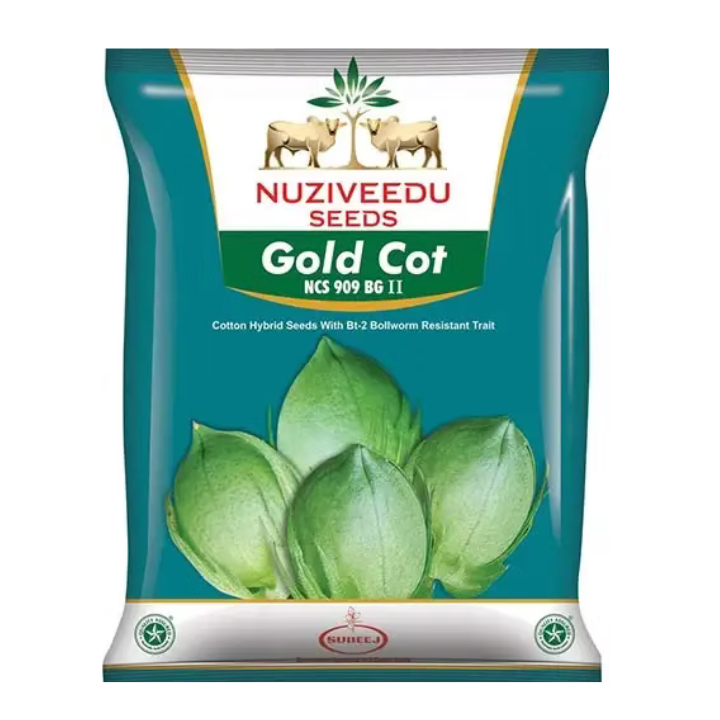
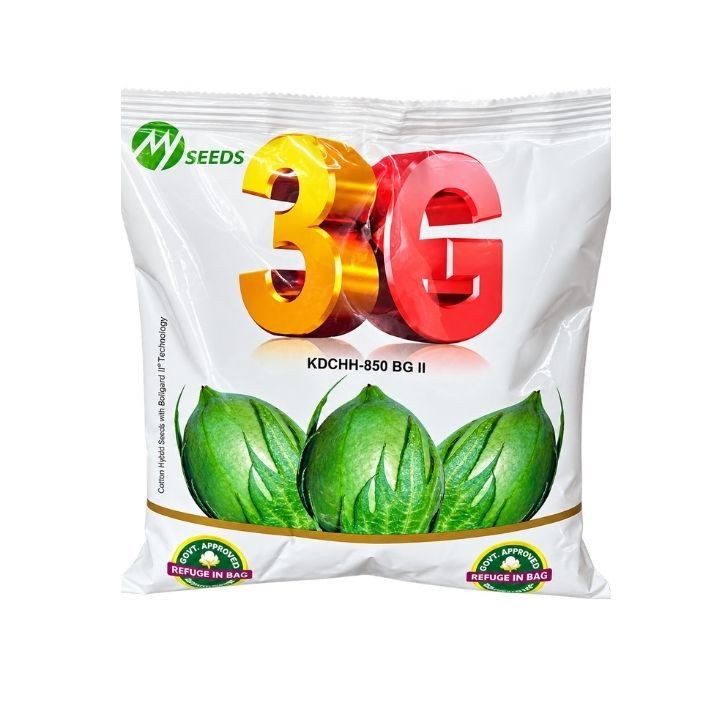
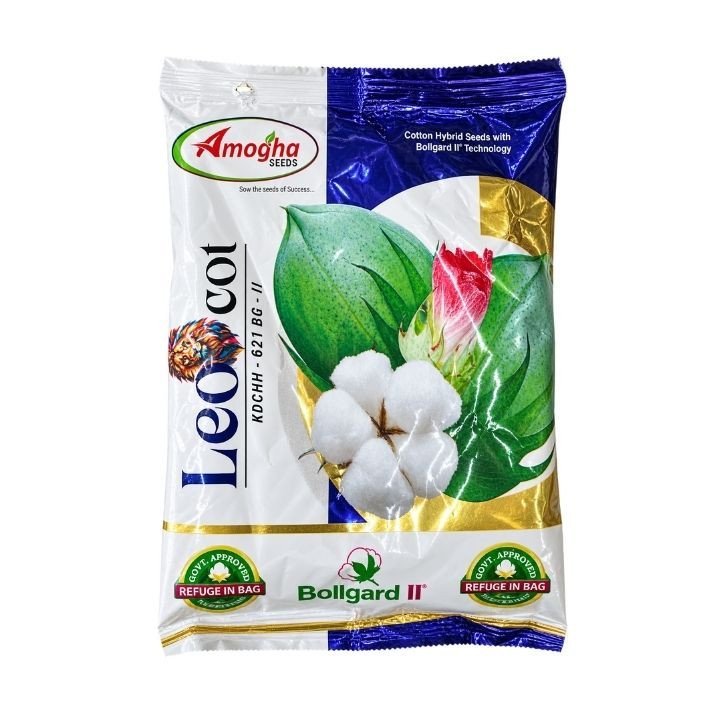
Buy High-Quality Cotton Seeds Online
Grow a profitable cotton crop with seeds matched to your season length, soil type, irrigation, and fiber goals. Explore leading hybrid and desi (kapas) options with clear details on duration, staple length, micronaire, boll size, and stress tolerance—so you can choose with confidence before sowing.
Why Choose KisanShop for Cotton Seeds
- Wide variety choices: Early, medium, and long-duration types; options for black and loamy soils.
- Fiber-first selection: Compare staple length (mm), strength, and micronaire to meet mill/buyer expectations.
- Region-ready guidance: Highlights for cotton belts including Uttar Pradesh and Bihar.
- Decision support: Practical tips on spacing, seed rate, and IPM to plan your season well.
- Good value: Quality products with competitive pricing and periodic offers.
How to Select the Right Cotton Seed
- Duration fit: Align early/medium/long types with your sowing window and harvest plan.
- Soil & water: Prefer varieties noted for heat/drought tolerance where irrigation is limited.
- Yield architecture: Look for boll retention, plant vigor, and tolerance to square shedding.
- Pest & disease: Choose varieties compatible with an IPM approach for sucking pests and bollworms.
- Compliance: Use state-approved varieties and follow the label booklet and local advisory.
Quick Agronomy Guide (general)
- Climate & soil: 20–35 °C; well-drained black to loamy soils; pH 6.0–8.0.
- Sowing windows:
- North & Central India (incl. UP/Bihar): April–June with irrigation or June–July with monsoon onset.
- West India: May–June (irrigated) or with monsoon.
- South India: Multiple windows—follow state/KVK guidance.
- Spacing (typical): Hybrids 90–120 cm rows × 45–60 cm plants; desi types can be closer.
- Seed rate (indicative): Hybrids ~1.5–2.5 kg/ha (~0.6–1.0 kg/acre) depending on spacing and label germination.
- Nutrition: Balanced NPK with sulphur and micronutrients; split nitrogen; maintain soil moisture.
- Crop care: Timely weeding, mulching for moisture, and regular scouting every 5–7 days.
Pink Bollworm & Sucking Pest—IPM Essentials
- Install pheromone traps at recommended density; act on thresholds, not calendar dates.
- Rotate modes of action to slow resistance; respect label doses and intervals.
- Field sanitation: Remove late volunteers, destroy rosette flowers/boll stubs.
- Timely picking: Avoid prolonged late bolls that raise infestation pressure.
State-Wise Pointers
- Uttar Pradesh & Bihar: Favor early to medium duration suited to alluvial/loamy soils; plan irrigation for hot spells and maintain square retention with balanced nutrition.
- Black-soil belts: Prioritize heat tolerance, boll retention, and uniform opening for efficient picking.
AEO: Quick Answers
When should I sow cotton?
Usually April–June (irrigated) or with first monsoon (June–July) in North/Central India; follow local advisory.
How much seed per hectare?
Hybrids ~1.5–2.5 kg/ha (~0.6–1.0 kg/acre), depending on spacing and germination.
Can I reuse hybrid seed next year?
No—fresh hybrid seed each season preserves yield and fiber quality.
What fiber parameters matter most?
Staple length (mm), strength, and micronaire as required by your buyer/ginner.
How do I reduce pink bollworm damage?
Use pheromone traps, scout weekly, spray on thresholds, rotate chemistries, and harvest on time.