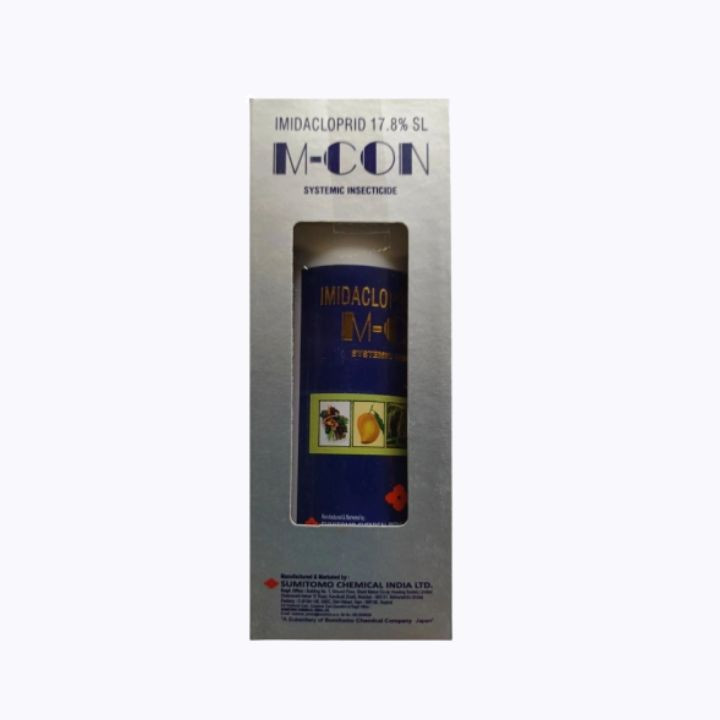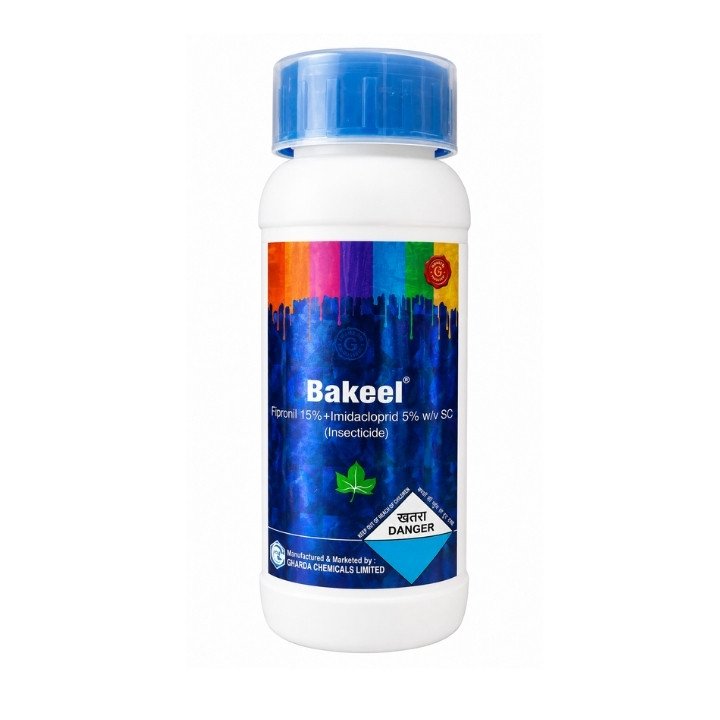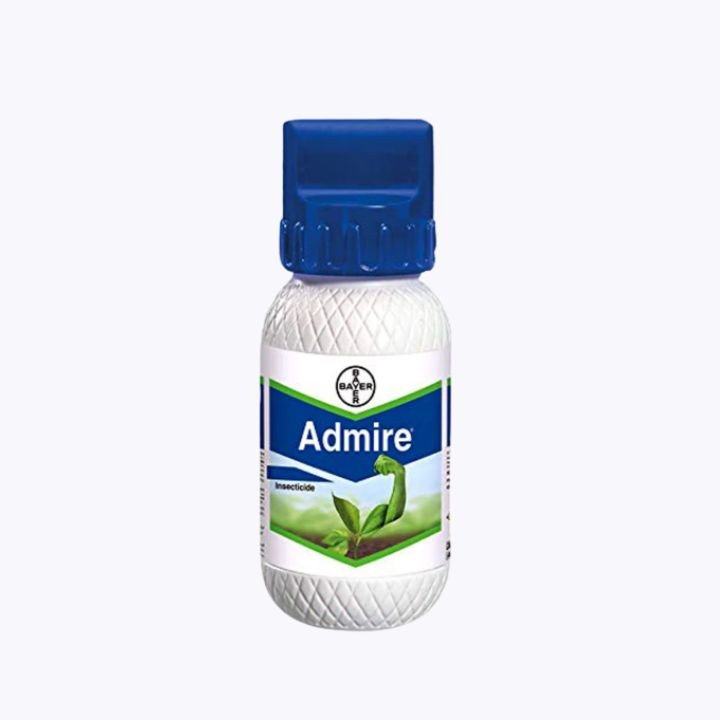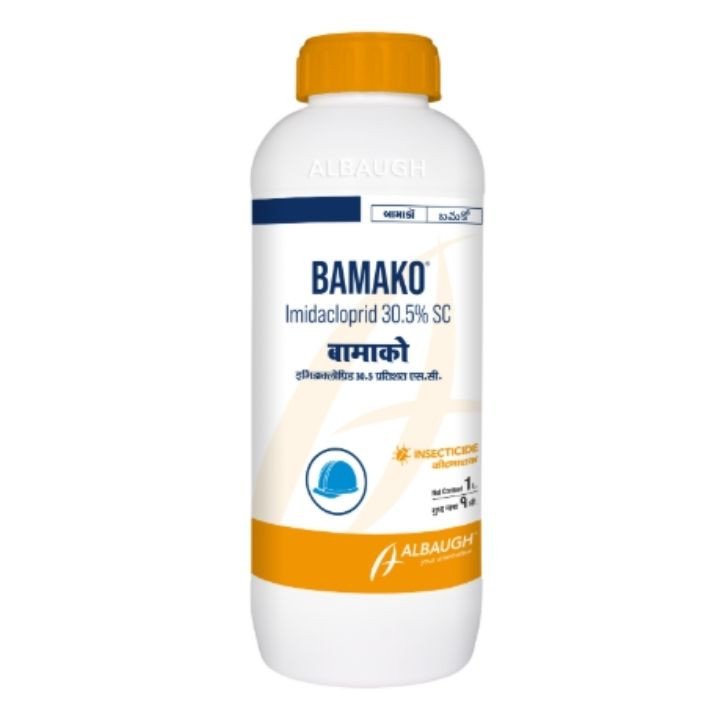

Imidacloprid's core properties as a systemic neonicotinoid insecticide are well established, but how well any given formulation actually performs in the field often comes down to details beyond the active ingredient percentage alone — particle size, suspension stability, and how readily the plant absorbs what's sprayed. Albaugh Bamako takes the proven imidacloprid molecule and delivers it through what the manufacturer describes as a superior, improved suspension concentrate (SC) formulation, specifically engineered around better absorption and, as a direct result, longer field persistence.
This distinction matters practically for growers comparing multiple imidacloprid-based products on the market — a higher-quality suspension formulation can translate into more consistent uptake by the plant and a longer window of protection from the same nominal dose, compared to a more basic formulation of the identical active ingredient.
| Detail | Specification |
|---|---|
| Brand | Albaugh |
| Product Name | Bamako |
| Technical Content | Imidacloprid 30.5% |
| Formulation | Improved Suspension Concentrate (SC) |
| Insecticide Group | Neonicotinoid |
| Registered Crops | Chilli, Cotton, Rice |
An SC formulation suspends the active ingredient as fine particles in a liquid carrier rather than dissolving it into a true solution, and the quality of that suspension directly influences how efficiently the plant takes up the active ingredient once sprayed. Bamako's positioning around improved absorption suggests a more refined particle suspension that the plant can access more readily — this, in turn, supports the longer persistence claim, since a more completely absorbed dose has more active ingredient available within the plant to sustain protection over time, rather than being lost to degradation on the leaf surface.
| Crop | Target Pest Type |
|---|---|
| Chilli | Various Sucking Pests |
| Cotton | Various Sucking Pests |
| Rice | Various Sucking Pests |
Bamako's three-crop registration is more focused compared to some other Imidacloprid formulations that span seven or eight crops — this narrower label may reflect specific field trial data and registration decisions tied to this particular formulation, rather than a limitation of the active ingredient itself.
| Application | Recommended Dose |
|---|---|
| Chilli, Cotton, Rice — Sucking Pest Control | 24–30 ml per acre |
This 24–30 ml range is notably lower in absolute volume compared to many 17.8% concentration imidacloprid products applied at 40–100 ml per acre for similar pest control — a direct consequence of Bamako's higher 30.5% active ingredient concentration, meaning less total product volume is needed to deliver an equivalent, or improved, level of active ingredient to the crop.
Why does Bamako use a lower ml/acre dose than other imidacloprid products I've seen?
Bamako's higher 30.5% active ingredient concentration means less total product volume is needed compared to lower-concentration formulations like 17.8% products, which typically use a higher ml/acre range for comparable pest control.
What makes Bamako's formulation different from a standard imidacloprid SC product?
It's positioned around an improved suspension concentrate formulation specifically engineered for better plant absorption, which the manufacturer links to longer field persistence compared to more basic formulations of the same active ingredient.
Can Bamako be used on crops beyond chilli, cotton, and rice?
Its current official registration is specific to these three crops; use on other crops should be confirmed against current label documentation rather than assumed.
Does the longer persistence mean I can spray less frequently?
Improved persistence generally supports a longer protective window per application, though actual spray interval should still be based on ongoing pest monitoring and label guidance rather than extended indefinitely.
Disclaimer: The details provided are for informational guidance only. Always adhere to the recommended application instructions as stated on the product label and in the accompanying leaflet.
No reviews yet.